The White Mountains
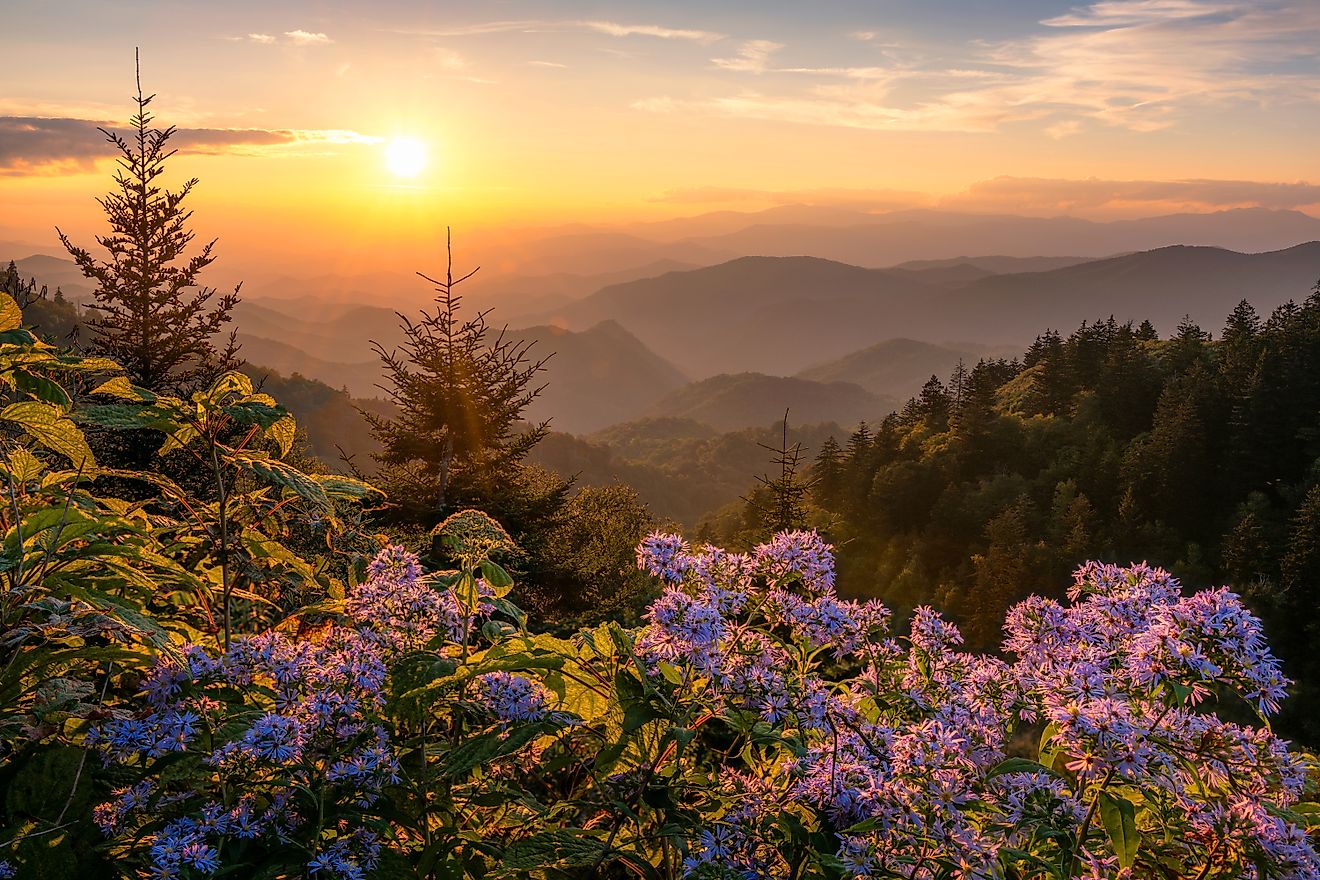
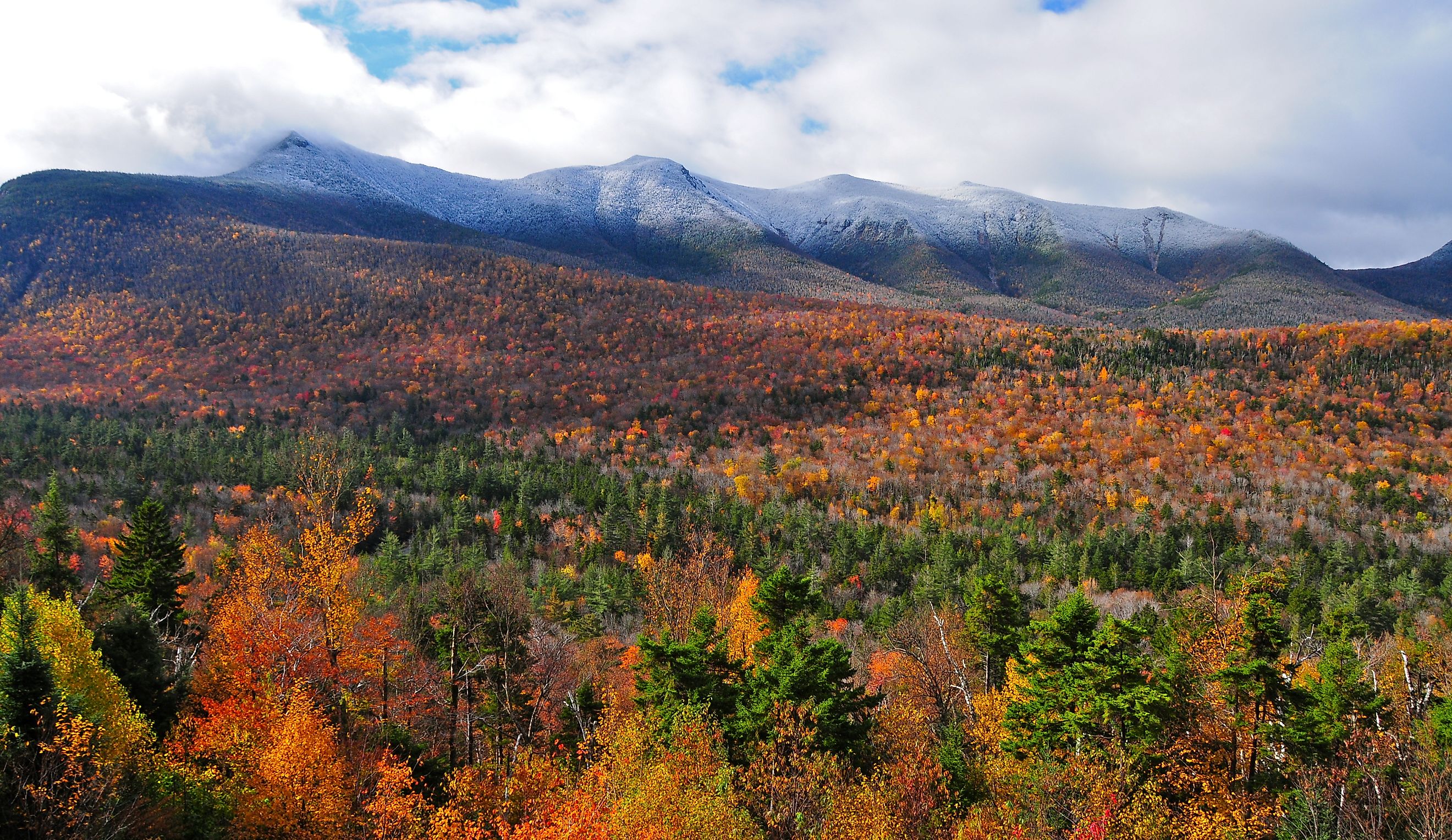
The White Mountains rise dramatically across north-central New Hampshire and spill slightly into western Maine. They cover about a quarter of New Hampshire’s land. This subrange of the northern Appalachian Mountains features the highest peaks in the Northeast, rugged terrain, and a mix of dense forests and alpine tundra. Millions flock here each year, drawn to its hiking, skiing, scenic drives, waterfalls, and historic sites.
The region’s weather adds to the drama, shifting quickly enough to keep even seasoned outdoor enthusiasts on their toes. Add in a network of classic New England towns and historic byways, and the area feels like a world built for adventure.
Mount Washington: The Tallest Peak in the Northeast

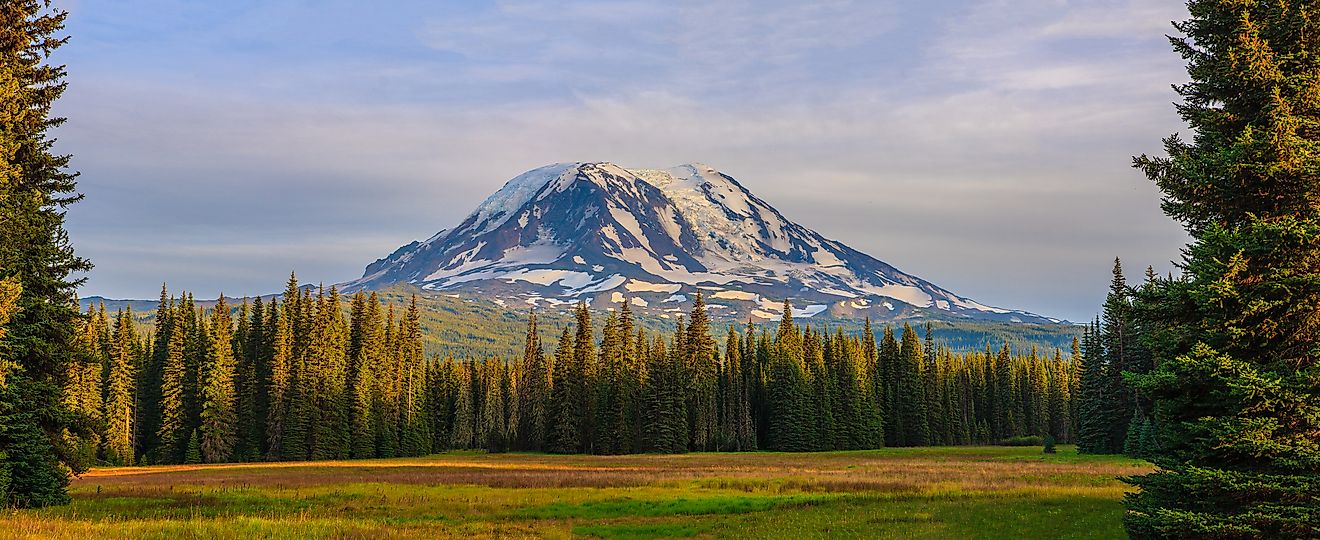
At 6,288 feet, Mount Washington dominates the range as the tallest peak in the Northeastern United States. Its notoriety extends beyond height. In 1934, the summit recorded a surface wind gust of 231 miles per hour, a record that stood for 76 years. Mount Washington belongs to the Presidential Range, a line of mountains named for US presidents and other prominent Americans, including Mount Adams and Mount Jefferson.
The summit is accessible via the Mount Washington Auto Road, the historic cog railway, or hiking trails. Alpine tundra and rocky outcrops appear above the timberline, creating rare landscapes in New England that reward those who reach the top.
Subranges: A Mountain Range of Options

The White Mountains are more than just Mount Washington. Subranges include the Franconia Range, Sandwich Range, Carter-Moriah Range, Kinsman Range, and Mahoosuc Range. They each offer trails, ridges, and peaks over 4,000 feet, also known as the “four-thousand footers.” Old Speck Mountain in Maine rounds out the list.
Glacial activity left lasting marks on the landscape. U-shaped notches, cirques, and striations provide dramatic terrain. Tuckerman Ravine and King Ravine are classic examples of glacial cirques, and Pine Mountain’s exposed rocks display striations carved by ancient ice flows.
Geological Wonders and White Mountain Origins

The White Mountains are part of the New England physiographic province within the Appalachian Highlands. Magma intrusions formed the mountains roughly 124 to 100 million years ago as the North American Plate moved over the New England hotspot.
Granite dominates many summits, and mica-laden surfaces reflect sunlight, which may explain the “white” name. Early European observers reportedly saw snow-capped peaks from ships near the Piscataqua estuary. The Red Hill Syenite, a unique rock unit in central New Hampshire, contains feldspathoids and quartz, attracting geologists studying the range.
Trails and Alpine Huts

Hiking trails wind across more than 1,000 miles of terrain. The Appalachian Trail crosses from southwest to northeast, passing alpine ridges, forested valleys, and high peaks. The Appalachian Mountain Club maintains a network of huts that offer shelter and a taste of history for multi-day treks.
Popular hikes include Franconia Ridge, the Crawford Path, and the challenging summits of the Presidential Range. Many trails offer sweeping views, alpine tundra, or glacially carved terrain, rewarding climbers with dramatic panoramas.
Top White Mountain Trails:
-
Franconia Ridge Loop: panoramic ridge hike with 4,000-foot peaks
-
Crawford Path: historic trail along Presidential Range
-
Tuckerman Ravine: steep climb with alpine views and snowfields
-
King Ravine: glacially carved cirque, challenging terrain
-
The Basin Trail: easy hike to a natural granite swimming hole
Scenic Drives and Notches

Roads through the mountains reveal breathtaking scenery. US Route 3 and Interstate 93 run north-south through Franconia Notch. Route 16 cuts through Pinkham Notch, and the Kancamagus Highway traverses Kancamagus Pass. Route 302 winds through Crawford Notch.
Fall foliage transforms these highways into a vivid tapestry. Notches such as Dixville, Franconia, Kinsman, Crawford, and Pinkham feature glacial valleys, rivers, waterfalls, and natural swimming holes. Arethusa Falls, at 140+ feet, ranks as New Hampshire’s second tallest waterfall.
Scenic Stops Along the Highways:
-
The Basin: granite pool carved by the Pemigewasset River
-
Arethusa Falls: dramatic waterfall accessible via short hike
-
Old Man of the Mountain Memorial: commemorates the fallen rock formation
-
Flume Gorge: boardwalk over waterfalls and rock walls
-
Lost River Gorge: moderate hike with caves and waterfalls
-
Polar Caves Park: easy trails with granite caves
White Mountains Activities Year-Round

The range offers something in every season. Winter sports dominate in ski resorts like Cannon Mountain, Loon Mountain, Attitash, Wildcat, Bretton Woods, and Waterville Valley. Skiing, snowboarding, and snowshoeing attract winter adventurers. The resort also offers alpine slides, hiking, and horseback riding.
Amusement parks, hotels, and historical sites provide non-sporting attractions. Story Land, Santa’s Village, Whale’s Tale Water Park, and Clark’s Trading Post deliver family fun. The Mount Washington Hotel, site of the historic Bretton Woods Conference, remains a working grand hotel from the early 20th century.
White Mountains Seasonal Activities:
| Season | Activity Highlights |
|---|---|
| Spring | Waterfall hikes, wildflower viewing, early birding |
| Summer | Alpine hiking, swimming in The Basin, family parks |
| Autumn | Leaf-peeping drives, scenic hikes, photography tours |
| Winter | Skiing, snowboarding, snowshoeing, winter wildlife spotting |
Wildlife and Conservation

The White Mountains’ forests shelter moose, black bears, deer, foxes, and countless bird species. Alpine areas host rare plants adapted to harsh conditions. The White Mountain National Forest, established in 1911, protects over 800,000 acres of wilderness, balancing conservation with recreation.
Trails and roads allow visitors to explore without harming fragile ecosystems. The AMC’s huts and maintained paths concentrate human activity in sustainable ways, protecting delicate alpine plants and preventing soil erosion.
Why the White Mountains Captivate

Peaks tower over valleys, alpine summits reveal unique ecosystems, and waterfalls, gorges, and scenic drives offer accessible natural beauty. Adventure seekers, photographers, skiers, and hikers find challenges, tranquility, and iconic vistas. The White Mountains’ combination of rugged terrain, glacial features, historic lodges, and family attractions makes it a destination that appeals to all ages.
With over six million visitors each year, the White Mountains continue to define New England’s outdoor identity. Miles of trails, scenic byways, and natural landmarks ensure that every visit reveals something new.
A Quick Look at The White Mountains
| Feature | Highlight |
|---|---|
| Highest Peak | Mount Washington – 6,288 ft |
| Notable Subranges | Franconia, Sandwich, Carter-Moriah, Kinsman, Mahoosuc |
| Scenic Roads | Kancamagus Highway, Route 302, Interstate 93 |
| Waterfalls & Pools | Arethusa Falls, The Basin |
| Ski Resorts | Cannon, Loon, Attitash, Bretton Woods, Wildcat |
| Historic Sites | Mount Washington Hotel, Old Man of the Mountain Memorial |
| Hiking Trails | Appalachian Trail, Franconia Ridge, Crawford Path, Tuckerman Ravine |