Chequamegon-Nicolet National Forest
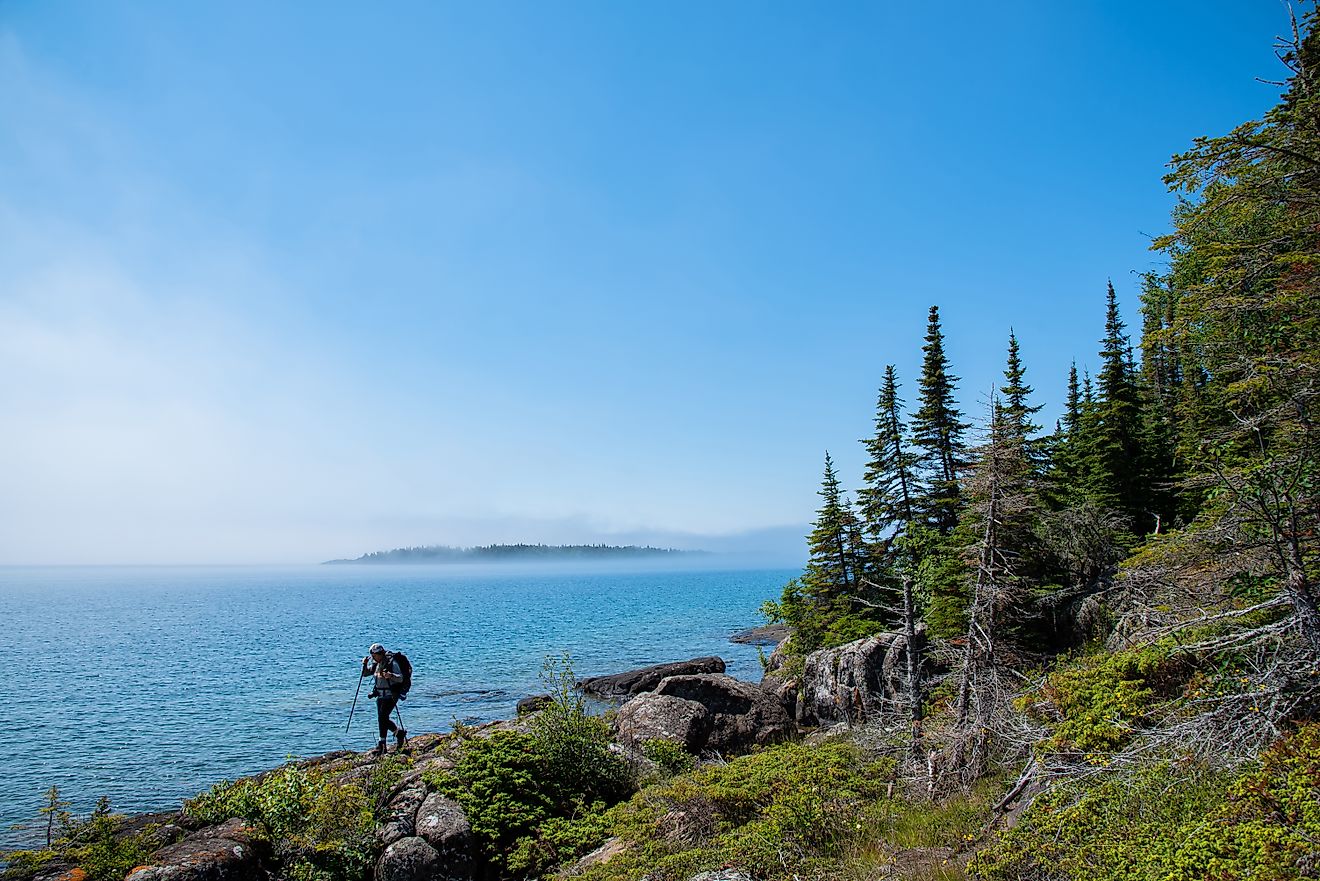
A stretch of northern Wisconsin unfolds across more than 1.5 million acres, creating one of the most diverse and adventure-rich forests in the Upper Midwest. The Chequamegon-Nicolet National Forest includes hardwood stands, glacial lakes, deep bogs, rolling pine savannas, and long miles of quiet trails. The combined forest has been managed as a single unit since 1998, even though the Chequamegon and the Nicolet were created separately in the 1930s. That unified management gives the region a broad identity built on conservation, outdoor recreation, and year-round access to nature.
The land shares roots with the North Woods ecoregion, a zone known for thick forests, cold lakes, and wildlife that thrives in remote places. Early logging reshaped the landscape a century ago, and efforts by the Civilian Conservation Corps helped replant and restore many areas. Today’s forest reflects a mix of second-growth trees, natural wetlands, and protected wilderness that continues to evolve.
Two Forests, One Huge Northern Playground

Chequamegon-Nicolet is technically two national forests that function as one. That gives the region a sprawling footprint across northern and northeastern Wisconsin, touching more than a dozen counties and supporting a wide mix of outdoor interests.
Chequamegon National Forest
Chequamegon covers roughly 865,000 acres across the north-central portion of the state. Bayfield County contains the largest section. Followed by: Ashland, Price, Sawyer, Taylor, and Vilas counties. Ranger stations operate in towns like Washburn, Park Falls, Hayward, Glidden, and Medford. The landscape includes expansive pine stands, hardwood forests, wetlands, and research areas like Moquah Barrens.
The Chequamegon side contains two federally designated wilderness areas. Porcupine Lake Wilderness offers quiet lakes and dense forest cover. Rainbow Lake Wilderness protects more than 6,500 acres marked by crystal-clear lakes and a section of the North Country National Scenic Trail.
Nicolet National Forest
The Nicolet spreads across 664,822 acres in northeastern Wisconsin. Headquarters are in Rhinelander, with ranger district offices in Eagle River, Laona, Lakewood, and Florence. Old stands of hemlock and hardwoods grow near lakes and wetlands throughout the forest. Popular sites include Franklin Lake Campground and the protected Bose Lake Hemlock Hardwoods.
Three wilderness areas fall within the Nicolet. Blackjack Springs Wilderness protects cold springs and clear streams. Headwaters Wilderness supports wetlands and river sources that feed northern waterways. Whisker Lake Wilderness is a quiet refuge marked by old forest and calm water.
A Landscape Built on Water and Woods

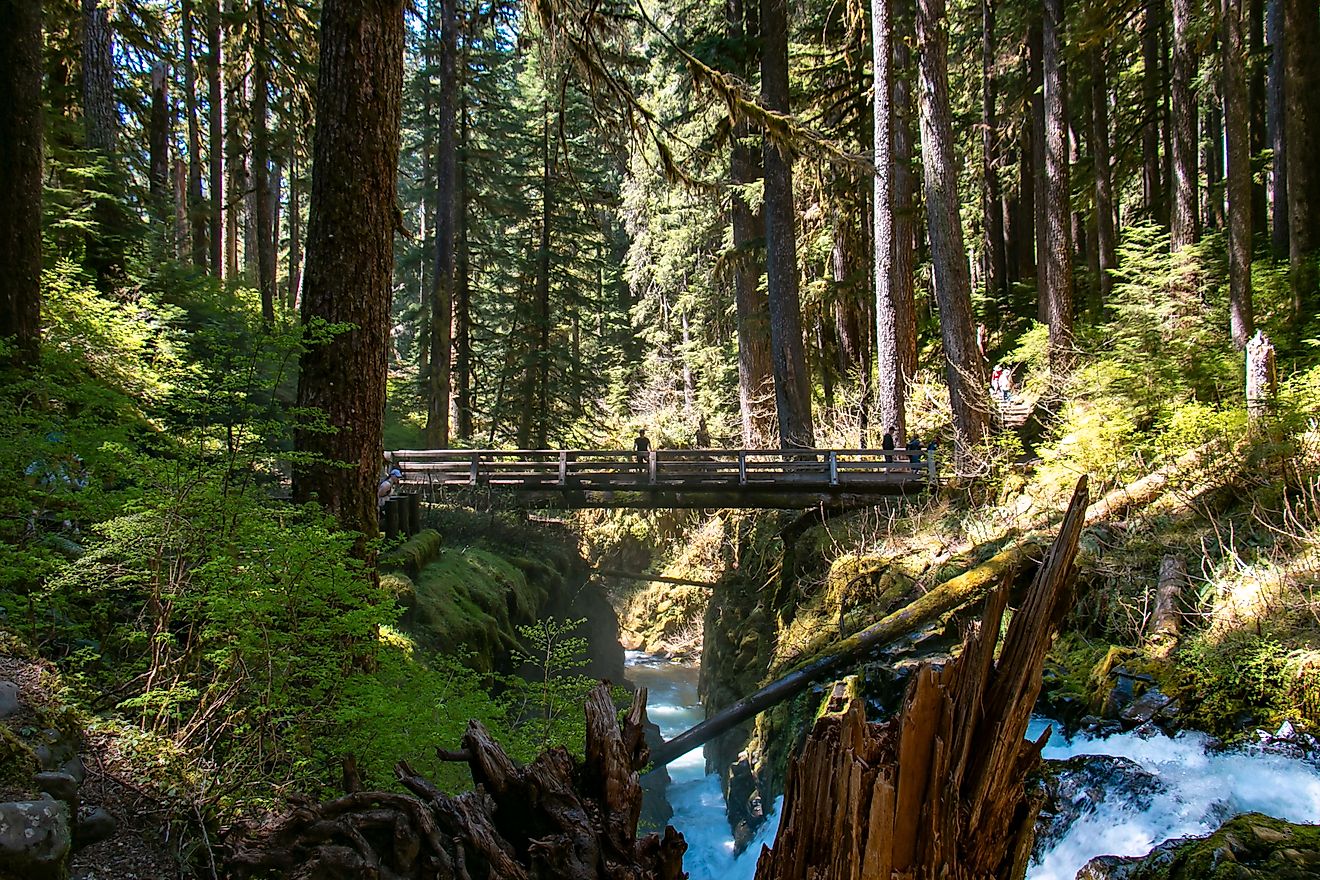
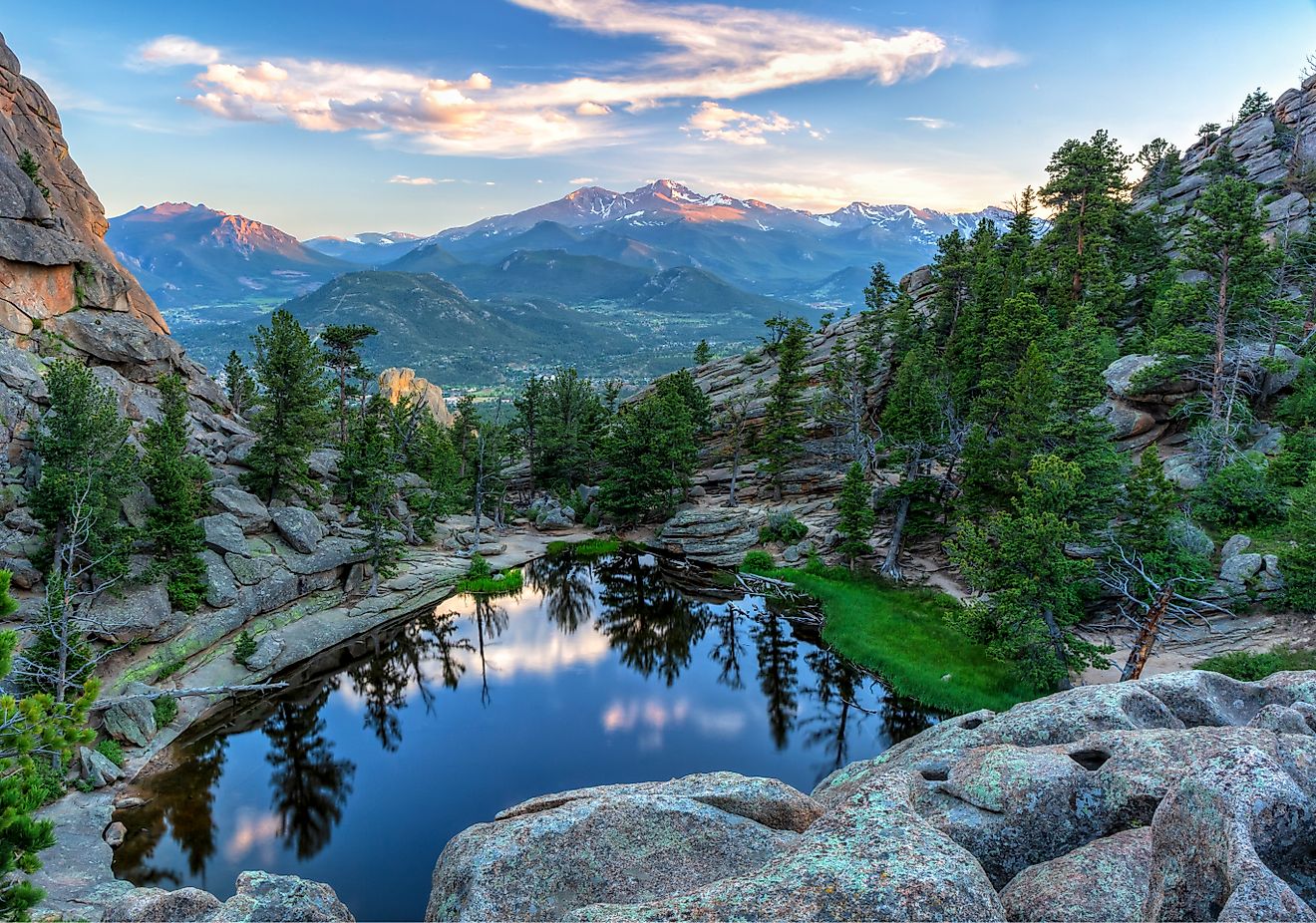
Chequamegon-Nicolet is a mosaic of uplands, bogs, cedar swamps, alder thickets, and glacial lakes. More than 600 lakes appear across the Bayfield County portion alone. Rivers and streams carve through deep forest cover, creating productive trout water and scenic canoe routes.
The tree mix reflects a classic North Woods identity. Sugar maple, red maple, birch, aspen, oak, beech, and basswood appear throughout the region. Tall conifers include red, white, and jack pine, as well as spruce and balsam fir. The region marks the farthest western reach of eastern hemlock. Wetlands support tamarack, black spruce, and thick ground cover.
Berries thrive throughout summer, including blueberries, raspberries, and blackberries. Cranberries and serviceberries appear in wet and dry pockets. Ferns, cattails, mushrooms, and seasonal wildflowers fill in the landscape.
Wildlife That Defines Wisconsin’s North

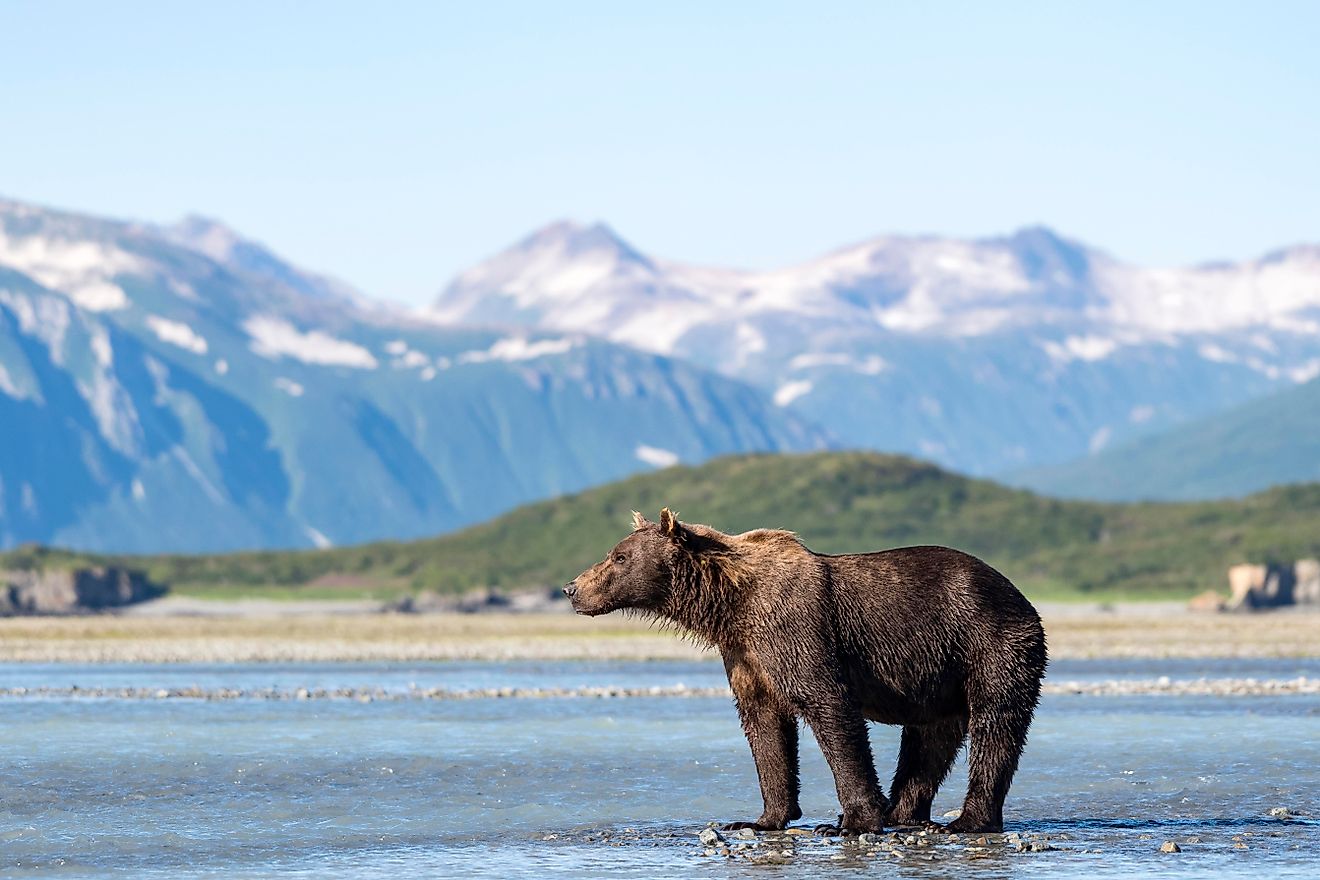
The forest holds a wide range of wildlife, and chances to spot animals appear along backroads, logging paths, and interior trails. White-tailed deer remain the most visible species and are seen throughout all seasons. Black bears roam quietly in forested pockets, and foxes, raccoons, beavers, river otters, rabbits, and chipmunks share the woods and wetlands.
Elk and wolves have returned to the region, adding another layer of natural heritage. Moose and pine martens have shown up in past sightings, offering rare moments for patient observers.
Bird lovers find a long list of species including:
-
Northern cardinals
-
Blue jays
-
Canada jays
-
Common ravens
-
Chickadees
-
Multiple woodpecker species
-
Bald eagles
-
Common loons
-
Warblers
-
Thrushes
-
Sparrows
-
Crossbills
-
Owls
The waterways hold trout in cold streams and bass, walleye, pike, and crappie in the lakes. The region has a long tradition of freshwater fishing, including the capture of record-size muskellunge. Anglers continue to return in search of both trophy fish and relaxing days on forest lakes.
Recreation for Every Season

Chequamegon-Nicolet thrives as a year-round recreation destination. Families, anglers, hikers, mountain bikers, and winter sports enthusiasts find trails, lakes, and open spaces that suit any season.
Camping and hiking
Dozens of campgrounds provide access to forest lakes and trail networks. Some areas offer developed sites with amenities, and others keep things primitive. A long network of hiking trails runs through both forests, ranging from short nature paths to long-distance routes that cross wilderness areas.
Fishing and boating
Many lakes offer drive-in or walk-in launches. The range of fish species makes the region one of the most consistent freshwater fishing destinations in Wisconsin. Kayaks, canoes, and small fishing boats fill the lakes throughout summer and fall.
Mountain biking
The Chequamegon Area Mountain Bike Association maintains sets of trails that give riders everything from smooth forest routes to rugged backcountry terrain. Dry summer weather creates ideal conditions for single-track riding, and fall colors elevate the experience.
Winter Sports
Snow defines the region for a large portion of the year, and that creates prime conditions for winter recreation. Snowmobile trails cross large sections of the forest. Cross-country ski routes offer miles of groomed tracks. Snowshoe trails appear throughout the interior.
Highlights That Bring the Forest to Life

Certain areas within Chequamegon-Nicolet stand out for scenery, accessibility, and memorable experiences.
Moquah Barrens
Moquah Barrens covers 8,700 acres that are being restored into an open pine barrens landscape. The area provides wide views, rare plant communities, and excellent bird-watching. Auto-tour guides are available to explore the ecosystem.
Mt. Valhalla Recreation Area
Mt. Valhalla, located west of Washburn, serves as a go-to winter sports hub. The area includes snowmobile and ski trails, a sledding hill, snowshoe routes, and a warming cabin with a fireplace. Summer brings ATV riders and trail users who enjoy the rolling terrain.
Rainbow Lake Wilderness
Rainbow Lake Wilderness provides a remote escape northwest of Drummond. Clear lakes and sections of the North Country Trail give hikers and backpackers a quiet, scenic route through protected land. The wilderness covers 6,583 acres and shelters wildlife that avoids busy areas.
Angling in the Heart of the Forest

Bayfield County’s stretch of Chequamegon-Nicolet has long been known for fishing. More than 600 lakes create endless chances for anglers to find bass, walleye, trout, northern pike, or panfish. Remote lakes draw solitude seekers, and drive-in launches give easy access to families or groups carrying gear.
A record muskellunge caught in the region remains part of Wisconsin’s outdoor history. The mix of lake types, water clarity, and fish species creates a strong angling culture that continues to grow.
Why Chequamegon-Nicolet Draws So Many Travelers

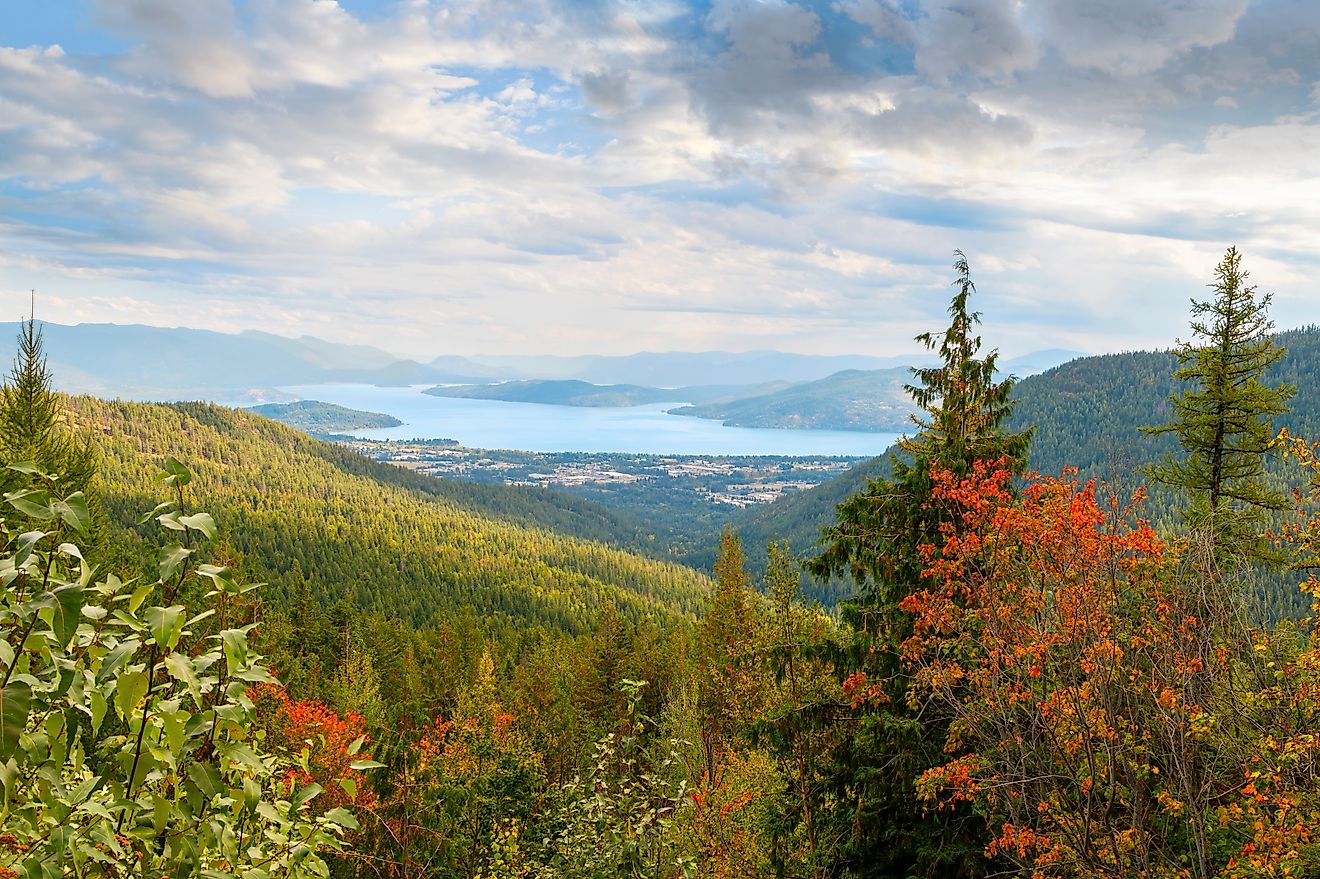
The forest offers a blend of heritage, scenery, wildlife, and recreation that stretches across a huge section of Wisconsin. Each season changes the experience. Spring fills wetlands with bird songs. Summer brings long days on the trails. Fall color turns the forest into a multicolored canopy. Winter creates a new world for skiers, snowmobilers, and snowshoers.
Communities around the forest support this tourism network and add their own character to the experience. Shops, small restaurants, and outfitters help keep the forest accessible to anyone seeking a getaway.
Quick Facts: Chequamegon-Nicolet National Forest
| Category | Details |
|---|---|
| Total Size | 1,530,647 acres |
| Established | 1933 (managed jointly since 1998) |
| Forest Divisions | Chequamegon National Forest • Nicolet National Forest |
| Counties Covered | Bayfield, Ashland, Price, Sawyer, Taylor, Vilas, Forest, Oconto, Florence, Langlade, Oneida |
| Headquarters | Park Falls (Chequamegon) • Rhinelander (Nicolet) |
| Designated Wilderness Areas | Porcupine Lake • Rainbow Lake • Blackjack Springs • Headwaters • Whisker Lake |
| Lakes & Waterways | 600+ lakes in Bayfield County alone |
| Common Wildlife | White-tailed deer, black bears, elk, wolves, loons, eagles, otters, trout, bass, walleye |
| Popular Activities | Camping, hiking, fishing, mountain biking, skiing, snowmobiling |
| Notable Areas | Moquah Barrens • Mt. Valhalla • Rainbow Lake Wilderness |