The Most Visited National Forests in the US
America’s national forests stretch for 190 million acres through rugged mountains, deep waterways, endless hiking trails, cozy campgrounds, and wide‑open solitude that no city street can match. National parks might attract dazzling crowds for epic views, but national forests draw millions for the everyday magic of outdoor life. Quiet rivers at sunrise, forest scent carried on cool breezes, and endless backroads that lead somewhere new every time.
Millions of visits each year show that forests have become central to how Americans, and global travelers too, spend their time outdoors. Some forests pull visitors because of dramatic peaks and famous ski towns. Others attract those seeking canoeing access or historic byways packed with fall foliage. These spaces are not just scenery. They are living landscapes with seasons, stories, and experiences that keep drawing people back.
White River National Forest, Colorado

Annual visitors: More than 12 million
Western Colorado’s White River National Forest stands out for hosting some of the most famous ski resorts in the world. Places like Vail, Aspen, Beaver Creek, and Snowmass all sit within or alongside forest boundaries, bringing international attention and steady visitation year‑round.
White River combines everything that makes Colorado iconic:
-
High alpine passes and wildflower basins
-
Scenic drives along interstate corridors and byways
-
Mountain biking in summer
-
World‑class skiing and snowboarding in winter
While ski resorts provide structured recreation and lodging, untouched forest land beyond resort gates remains just a trailhead away. Routes like the Maroon Bells Scenic Loop offer striking mountain views and photo opportunities that fill social feeds and postcards.
White River’s wild landscape also supports a staggering variety of wildlife. Elk, deer, mountain goats, and black bears roam high‑country ecosystems. Streams carry trout and lure anglers on slow afternoons.
Pisgah & Nantahala National Forests, North Carolina

Annual visitors: Approximately 10 million
In the East, Pisgah and Nantahala National Forests form a vibrant duo that draws immense visitation, primarily because of access to the Appalachian Trail and spectacular fall foliage that has become synonymous with Southern Appalachian travel.
Pisgah and Nantahala rise across western North Carolina with waterfalls, high ridges, and deep river valleys. Outdoor culture here runs strong, and the forests serve as outdoor classrooms for generations of hikers, rock climbers, and whitewater paddlers.
Key reasons these forests are popular include:
-
Epic leaf‑peeping in autumn
-
Access to long sections of the Appalachian Trail
-
Waterfall trails that feel like nature’s art galleries
-
Rivers that tempt kayakers and rafters
Stops like Sliding Rock and Looking Glass Falls are crowd favorites in summer. Trails to higher peaks offer cooler air and broad views in every season. Historic logging roads now converted to multi‑use trails lead deeper into shaded hollows, making these forests both ancient and fully accessible.
Arapaho & Roosevelt National Forests, Colorado

Annual visitors: About 7.5 million
The Arapaho and Roosevelt National Forests are located just west of Denver. Their combined footprint includes hundreds of trailheads, alpine lakes, and miles of scenic roads that link cities to the High Rockies.
These forests rank among the most visited because they blend convenience and wilderness. A short drive from Denver brings you to:
-
Classic Rocky Mountain hiking above treeline
-
Skiing terrain in winter
-
Lakes ideal for fishing and boat days
-
Wildflower‑filled valleys in summer
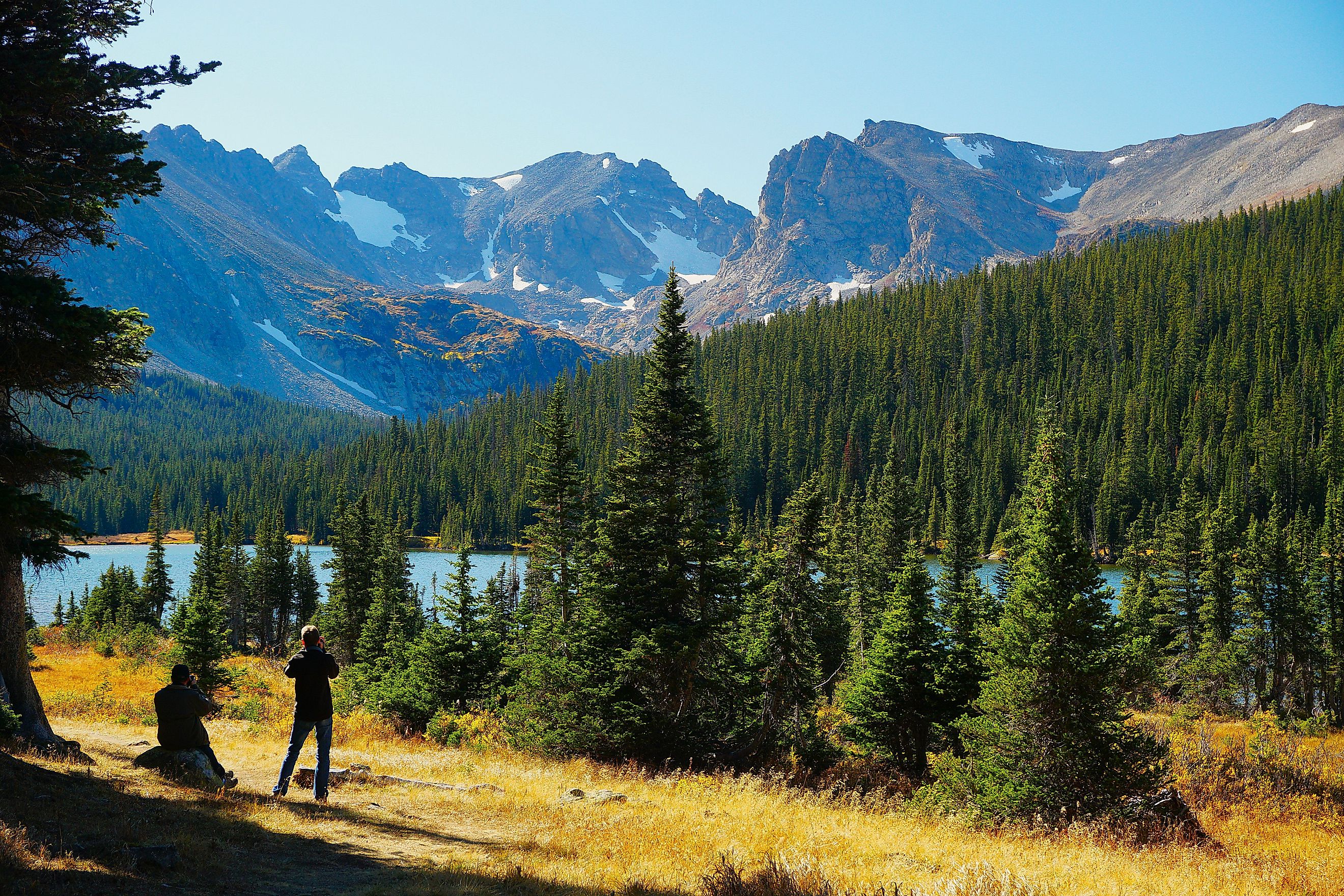
Indian Peaks Wilderness and other protected areas within these forests are magnets for day hikers and backpackers. Trails like the one to Brainard Lake or along the Continental Divide feel remote but remain highly accessible.
Year‑round outdoor recreation keeps visitor counts high. In winter, ski towns like Winter Park and nearby resorts make the forests gateways to world‑class snow sports. Spring and fall bring colorful transitions that photographers chase relentlessly.
Superior National Forest, Minnesota

Annual visitors: About 2.5 million
Cross the Mississippi and travel north to Minnesota and you arrive at Superior National Forest, a landscape starkly different from the Rockies. Here the Boundary Waters Canoe Area Wilderness (BWCAW) sits as a crown jewel among northern forests. Paddlers, anglers, and backpackers come from all over to spend days or weeks gliding between lakes, portaging around rapids, and camping along quiet shorelines.
Superior National Forest’s draw comes from a different kind of wilderness experience:
-
Canoeing and kayaking in a maze of interconnecting lakes
-
Backcountry camping that feels far from it all
-
Star‑filled skies that light up the night
-
Fishing for walleye, bass, and northern pike
The BWCAW is the top reason visitors arrive here. Its canoe routes are legendary in outdoor circles, and reservations for peak season often require advance planning. This area has an old‑growth feel, inviting travelers to unplug and let outdoor rhythms set the pace.
Superior also offers miles of forest roads and trails for hikers, cyclists, and winter snowmobilers. Lake Superior’s shore adds a dramatic backdrop to many outings, with cliffs, beaches, and crashing waves adding variety to the forest experience.
Mount Hood National Forest, Oregon

Annual visitors: More than 2 million
A volcano with snow‑capped peaks visible across northwestern Oregon is what makes Mount Hood National Forest one of the most visited in the country. Its proximity to Portland and diverse terrain bring outdoor lovers year‑round.
Mount Hood’s wide appeal includes:
-
Easy overnight and day hikes
-
Fishing lakes framed by Wild and Scenic Rivers
-
Winter sports at Nordic and alpine areas
-
Classic Pacific Northwest moss and old‑growth groves
Mount Hood itself is a magnet for climbers and photographers, and the surrounding forest has trails that feel tailor‑made for first‑time hikers and seasoned backpackers. Lakes like Trillium and Lost Lake offer postcard views, especially at sunrise.
How To Explore These Forests

- Day hikes and scenic walks: Easy access from nearby towns makes short hikes common all year.
- Camping: Primitive and developed campgrounds fill up on summer weekends.
- Water‑based recreation: Rivers and lakes add boating, fishing, and swimming options.
- Adventure sports: Mountain biking, rock climbing, snow sports, and whitewater paddling each have strong followings.
- Scenic drives: Lookouts and forest byways invite slow drives and photography.
Forests that have big peaks, major water features, or proximity to population centers consistently score high in visitation.
Tips for Visiting National Forests

- Plan ahead: Some areas require permits or reservations, especially for popular trailheads or wilderness entries.
- Respect regulations: Campfire rules, wildlife protections, and trail closures vary by forest and change seasonally.
- Leave No Trace: Packing out trash and minimizing impact protects these lands for future visitors.
- Check conditions: Weather, snow levels, and fire restrictions shift quickly and affect forest access.
- Use maps and apps: Offline maps help in remote areas with limited service.
Forests That Keep Calling You Back
America’s most visited national forests deliver experiences that few public lands can match. Trails, lakes, and ridgelines offer adventure close to home, and starlit skies replace screens at night.
These forests are living ecosystems that challenge and reward. Canoe quiet lakes, hike alpine paths, or watch seasons turn across hardwood hills. There is always something new to see.
Millions of visitors return each year, yet every trip feels fresh. Access and variety keep these forests at the top of travel lists and central to America’s outdoor culture.
| National Forest | Estimated Annual Visitors | Why it Gets Visitors |
|---|---|---|
| Arapaho & Roosevelt (CO) | ~7.5 million | Near Denver, alpine trails, easy access |
| White River (CO) | ~12 million | Ski resorts, scenic drives, summer hiking |
| Mount Hood (OR) | ~2 million | Close to Portland, year‑round recreation |
| Pisgah & Nantahala (NC) | ~10 million | Appalachian Trail, waterfalls, fall foliage |
| Superior (MN) | ~2.5 million | Boundary Waters canoeing, backcountry trips |