How Much of the US is Protected Land?
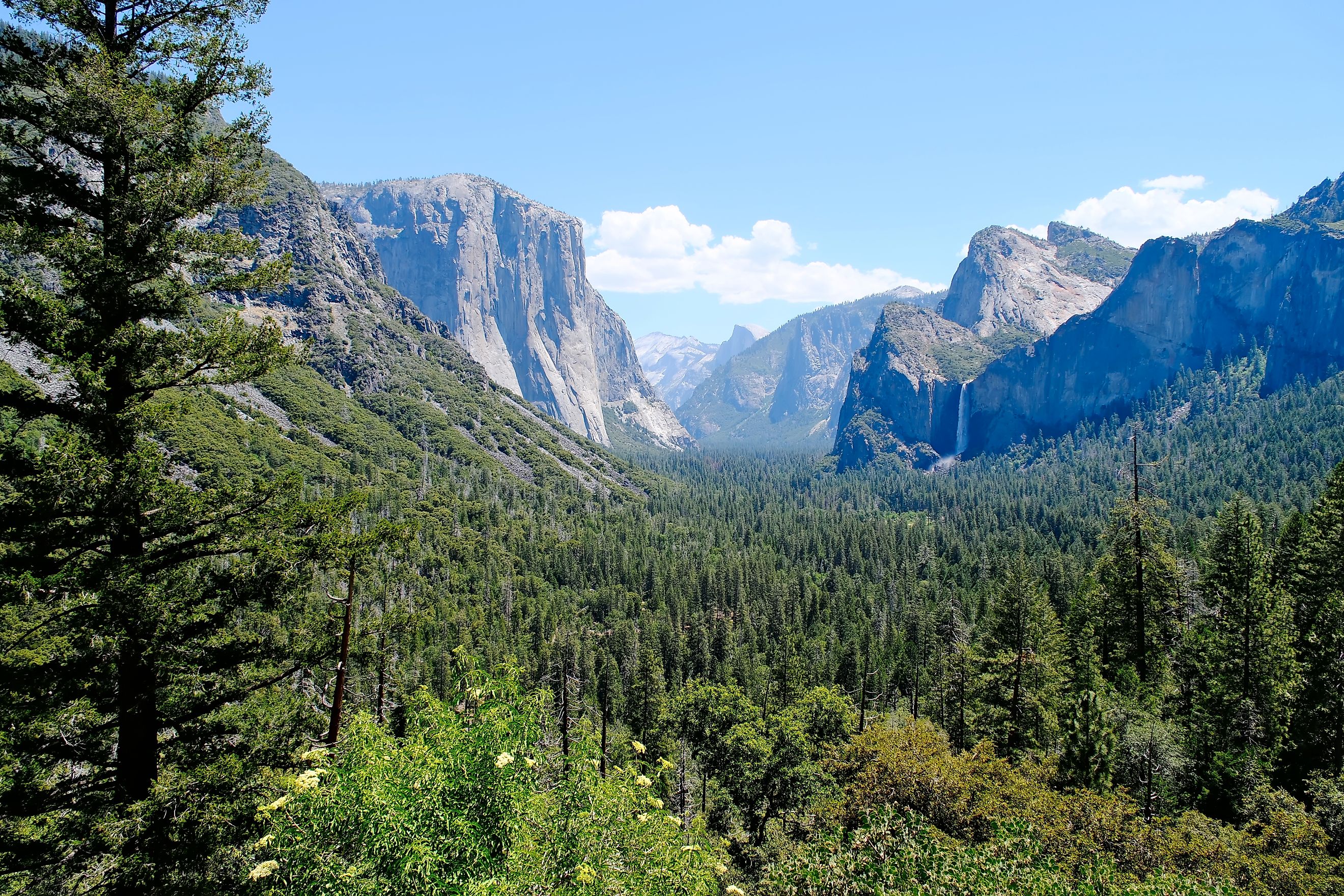
Protected land plays a quiet but powerful role in shaping the United States. National parks, wildlife refuges, forests, deserts, coastlines, and urban green spaces all fall under the broad umbrella of protection. Some areas remain nearly untouched. Others allow recreation, grazing, energy development, or commercial activity under strict rules. Together, they form one of the largest protected land systems on Earth.
Understanding how much US land is protected requires looking beyond famous parks. Protection exists at federal, state, tribal, and local levels. Each have different goals and degrees of oversight. The result is a complex patchwork that balances conservation, access, and use across a vast and varied landscape.
Protected Land in the United States

As of 2022, protected areas in the United States covered about 477,024 square miles of land. That equals roughly 13% of the nation’s total land area. More than 42,800 protected areas fall into this category, ranging from massive wilderness complexes to small local preserves.
That share places the United States among the global leaders in land conservation. Roughly 1/10th of all protected land worldwide exists within US borders, reflecting the country’s long history of public land management and environmental policy.
Protection, however, does not mean the same thing everywhere. Some lands receive the highest conservation status available. Others allow carefully managed commercial use, recreation, or resource extraction.
Land Protection vs Ocean Protection

Land protection tells only part of the story. Marine protection plays an even larger role in the United States.
The country maintains 871 National Marine Protected Areas, covering approximately 1.24 million square miles of ocean. That figure represents about 26% of US marine waters.
Marine protected areas safeguard coral reefs, fisheries, underwater habitats, and culturally important coastal zones. Management ranges from strict no-take reserves to areas that permit fishing, shipping, or energy activity under regulation.
Who Manages Protected Land?

Protected land in the United States does not fall under a single authority. Management responsibility spreads across multiple levels of government, often overlapping in complex ways.
Federal Agencies
Federal agencies oversee the largest share of protected land. These lands are sometimes owned outright by the government and sometimes protected through easements, leases, or special designations layered over private or state ownership.
Major federal land managers include:
-
National Park Service
-
U.S. Forest Service
-
Bureau of Land Management
-
U.S. Fish and Wildlife Service
-
U.S. Army Corps of Engineers
The Army Corps of Engineers alone accounts for roughly 30% of recreational opportunities on federal land, largely through reservoirs, lakes, and waterways.
The Crown Jewels of Federal Protection

Certain federal lands receive the highest levels of protection under international conservation standards.
The International Union for Conservation of Nature classifies protected areas by strictness. Level I covers strict nature reserves and wilderness areas. Level II includes national parks.
The United States holds about 210,000 square miles of land classified as Level I and Level II. That represents 12% of the world’s most highly protected land, giving the US an outsized role in global conservation.
These lands limit development, restrict extractive activity, and prioritize ecosystem preservation.
A System Built on Designations

Federal land protection relies on a naming system that can be confusing at first glance. The same designation may appear under multiple agencies, and some lands carry more than one status at the same time.
Examples include:
-
National Monuments managed by the National Park Service, Bureau of Land Management, or U.S. Forest Service
-
Wilderness Areas designated within national parks, forests, or wildlife refuges
-
National Recreation Areas overseen by different agencies depending on location
Overlay designations add another layer. A wilderness area may exist inside a national forest or national park, adding stricter protections without changing ownership.
Major Federal Protected Area Types

Here is a snapshot of common federal land designations:
-
National Parks
-
National Preserves
-
National Seashores and Lakeshores
-
National Forests and Grasslands
-
National Monuments
-
National Conservation Areas
-
Wilderness Areas and Wilderness Study Areas
-
National Wildlife Refuges
-
National Wild and Scenic Rivers
-
National Scenic and Historic Trails
-
National Marine Sanctuaries
-
National Recreation Areas
Each designation reflects a different balance between preservation, access, and use.
Historic Designations and Their Limits

Some federal designations focus on history rather than land protection. Listings on the National Register of Historic Places or recognition as a National Historic Landmark can offer tax incentives or recognition, but they do not automatically restrict land use.
States and local governments decide how much protection these sites receive. Colorado, for example, places no automatic limits on private owners of properties listed on the National Register.
State Level Protected Land

Every state maintains its own protected land system. State parks form the backbone, supported by forests, wildlife management areas, recreation lands, and preserves.
State parks range widely in scale and purpose. Some function as urban green spaces. Others rival national parks in size and ecological value.
Notable State Examples
-
Adirondack Park, New York: Covers about 6 million acres. Roughly half remains state-owned and constitutionally protected as “forever wild,” even though towns exist within the park boundary.
-
Wood-Tikchik State Park, Alaska: Protects about 1.6 million acres, making it the largest state park in the country by contiguous land area. It exceeds the size of Delaware.
Many states also operate large game lands and recreation areas designed to balance wildlife management and public access.
State Protected Land at a Glance

-
All 50 states maintain state park systems
-
Many states manage separate wildlife refuges and conservation lands
-
Tribal governments manage protected wilderness and culturally significant lands
-
Protections vary widely based on state law and land use priorities
Tribal Lands and Conservation

Tribal nations manage millions of acres across the United States. Protection levels vary based on tribal law, cultural priorities, and agreements with federal agencies.
Many tribal lands prioritize ecosystem health, cultural preservation, and traditional land use. Tribal wilderness areas and conservation programs play a growing role in national conservation efforts.
Local Protected Areas: Small Scale, Big Impact

Local governments manage thousands of protected spaces, often closer to daily life than national parks.
Cities, counties, regional authorities, and park districts oversee:
-
Urban parks
-
Nature preserves
-
Watershed lands
-
Greenways and trail systems
Some local protected areas cover enormous ground. South Mountain Park in Phoenix spans about 25 square miles and includes more than 58 miles of trails, making it the largest municipal park in the country.
Local lands often protect critical habitats, improve air quality, and provide recreation in densely populated regions.
A Visual Breakdown of US Protected Land
| Protection Level | Approximate Coverage |
|---|---|
| Total protected land | 477,024 sq mi |
| Share of US land area | 13% |
| Highly protected Level I and II land | 210,000 sq mi |
| Marine protected areas | 1.24 million sq mi |
| Share of US marine area | 26 percent |
Why Protection Levels Matter

Not all protected land receives the same treatment. Some areas prohibit roads, logging, mining, or motorized access. Others permit grazing, energy development, or tourism under regulated conditions.
This flexibility allows the United States to conserve ecosystems while supporting economic activity. It also creates debate over how land should be used and who benefits from protection.
The Future of Protected Land

Climate change, population growth, and land use pressure continue to shape the future of protected land in the United States. Drought, wildfire, sea level rise, and habitat fragmentation challenge existing management strategies.
Efforts now focus on:
-
Expanding protected corridors
-
Improving ecosystem resilience
-
Supporting tribal land stewardship
-
Balancing access with conservation
Public land remains central to American identity, recreation, and environmental policy.
A Landscape Shaped by Choice
Roughly 13 percent of US land remains protected, reflecting centuries of evolving values about nature, access, and stewardship. National parks capture public imagination, but they represent only part of a vast system that includes forests, deserts, rivers, coastlines, and city parks.
Protection in the United States is not a single idea or uniform rule. It is a layered system shaped by geography, history, and policy. That complexity allows the country to safeguard some of its most extraordinary landscapes while adapting to changing needs.
Understanding how much land is protected reveals not just numbers, but priorities. It shows where the nation has chosen to preserve space, protect ecosystems, and define its relationship with the land itself.