The Largest Floodplain in the United States
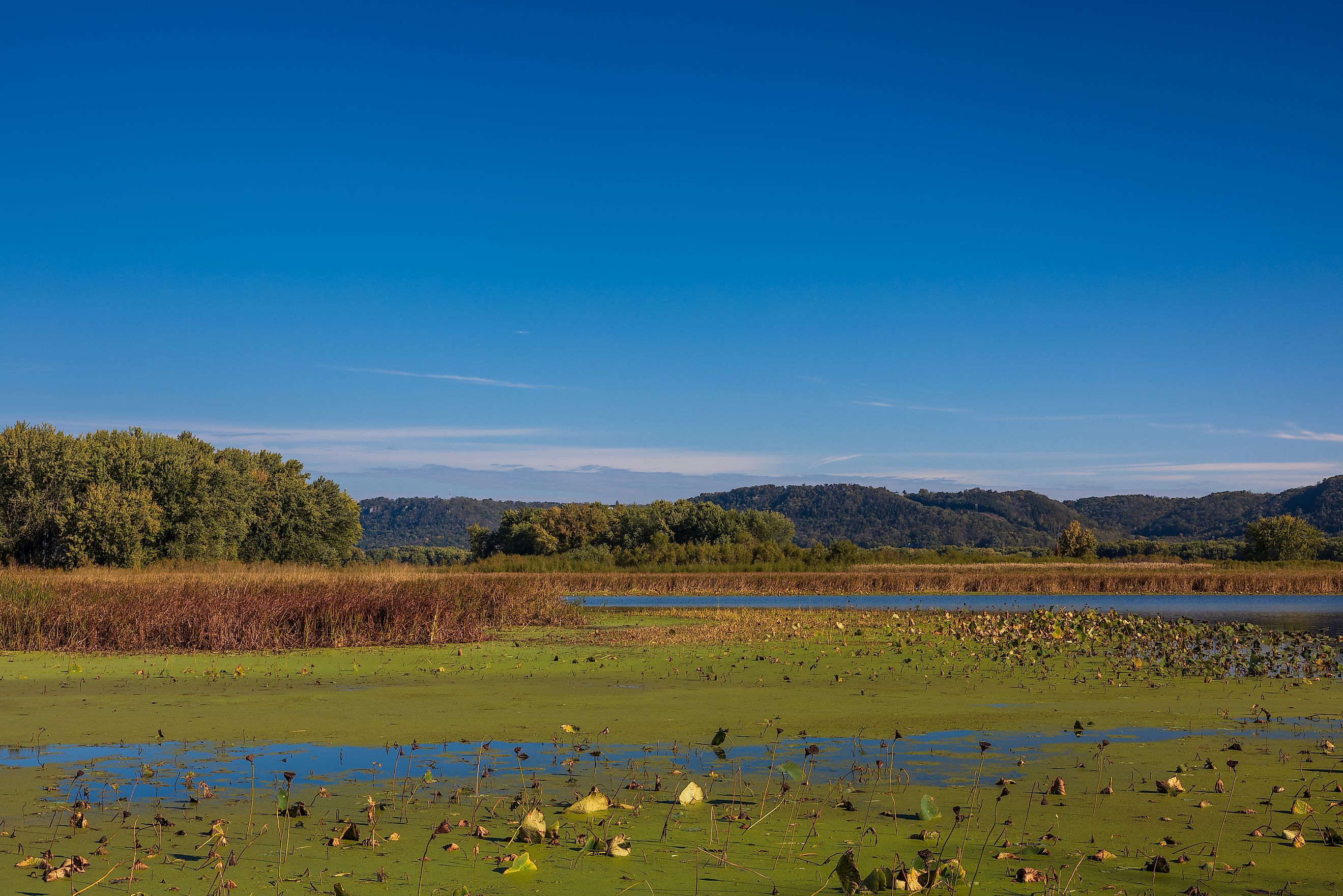
The Mississippi River shapes an incredible landscape across seven states. Its lower valley, the Lower Mississippi Alluvial Valley, covers more than 24 million acres. Rivers, backwaters, wetlands, and forests combine to create the nation’s largest floodplain. The area pulses with life, supports farming, and provides habitat for hundreds of species of birds, fish, and mammals.
Side channels twist through bottomland forests, oxbow lakes shelter fish, and seasonal wetlands attract flocks of migratory waterfowl. This is a working landscape. Farmers grow cotton, soybeans, corn, and rice. Timber companies harvest hardwoods that generate hundreds of millions in revenue. At the same time, hunters, anglers, and birdwatchers take advantage of the valley’s rich wildlife.
Bottomland Forests That Do More

Bottomland hardwoods cover huge swaths of the valley. These forests filter water, trap carbon, and provide space for wildlife. Timber production adds an economic boost, generating around 375 million cubic feet of wood each year and $290 million in annual revenues.
Birdwatchers have plenty to track. The valley is part of the Mississippi Flyway, home to more than 40% of North America’s waterfowl. Over 60% of US bird species migrate or winter here. More than 100 land birds breed in the forests, making it one of the richest birding areas in the country.
Rivers, Backwaters, and Oxbows

The Mississippi River’s main channel may get the spotlight, but side channels, oxbows, and backwaters create critical habitats. Anglers find bass, catfish, and crappie thriving in these quieter waters. Freshwater mussels flourish, and the unique hydrology supports species that cannot survive elsewhere.
Seasonal floods refresh the valley’s soil and create new habitats. Channels shift, sediments move, and wetlands fill. Each change creates opportunities for fish and birds, giving the floodplain a constantly evolving edge.
Farming on Fertile Soil

Alluvial soil makes the valley an agricultural powerhouse. Floods deposit nutrients, producing high yields of cotton, soybeans, corn, and rice. Crops thrive alongside patches of forests and wetlands, which help protect water quality and provide space for wildlife.
The combination of farming and natural habitats supports local economies and larger markets across the US. Careful management of farmland and floodplain ecology has kept the valley productive for generations.
Recreation and Outdoor Life

Outdoor activities generate more than $1.3 billion each year. Hunters track deer, ducks, and turkeys. Anglers reel in catfish and crappie. Birdwatchers spot hundreds of species along the flyway.
Oxbows and side channels invite kayaking and canoeing. Wildlife appears at every turn: bald eagles soar over wetlands, herons stalk the shallows, and river otters play in hidden channels. Photographers find dramatic landscapes during seasonal floods or misty mornings.
Facing Challenges

Human modifications, including levees and drained wetlands, have reduced habitat in parts of the valley. Forests and aquatic ecosystems face pressure from interrupted water flows. Extreme weather, with heavy floods followed by dry spells, makes restoration difficult.
Conservation groups are restoring wetlands, reconnecting side channels, and planting hardwood forests. These efforts improve water quality, support wildlife, and help the floodplain adapt to changing conditions.
Hidden Gems in the Floodplain

The valley holds surprises around every bend. Oxbow lakes shelter rare fish and amphibians. Ancient forest groves offer a glimpse of old-growth trees. Seasonal wetlands serve as nurseries for frogs, salamanders, and insects. Even near farmland, wildlife thrives in patches of forests, backwaters, and drainage channels.
Researchers track bird migrations, monitor water quality, and study sediment flows. Each study adds to understanding of how rivers, forests, and human activity interact.
A Floodplain That Shapes Life and Land

The Lower Mississippi Alluvial Valley is a living system that connects rivers, forests, farmland, and wildlife. It supports economies, provides outdoor recreation, and hosts incredible biodiversity. Restoration efforts and careful management help protect its future.
The valley shows how natural forces and human activity coexist. Rivers shape the land, forests filter water, wetlands provide homes, and farmland feeds millions. It’s an ecosystem that works hard, quietly, and powerfully.
Quick Facts: Lower Mississippi Alluvial Valley
| Feature | Fact |
|---|---|
| Total Area | 24 million acres |
| States Covered | Arkansas, Illinois, Kentucky, Louisiana, Mississippi, Missouri, Tennessee |
| Forests | Bottomland hardwoods covering millions of acres |
| Timber | 375 million cubic feet annually, $290 million in revenue |
| Birds | 60% of US species migrate or winter here |
| Fish | At least 90 species in rivers and backwaters |
| Mussels | About 50 freshwater species |
| Agriculture | Cotton, soybeans, corn, rice |
| Recreation Revenue | $1.3 billion+ per year |
| Conservation Efforts | Wetland restoration, hardwood replanting, aquatic habitat enhancement |