The Most Influential Neighborhoods in Los Angeles
Los Angeles does not operate as a single city in the traditional sense. Influence here radiates outward from neighborhoods, each shaping culture, industry, politics, and identity in distinct ways. Film, music, fashion, technology, activism, and architecture all trace their roots to specific corners of the city. Power and creativity move block by block, not just through downtown offices or studio gates.
These neighborhoods hold outsized influence over how Los Angeles looks, sounds, and functions today. Some drive global entertainment trends. Others shape political movements, design aesthetics, or economic growth. Together, they area the reason why Los Angeles remains one of the most influential cities in the world.
Hollywood

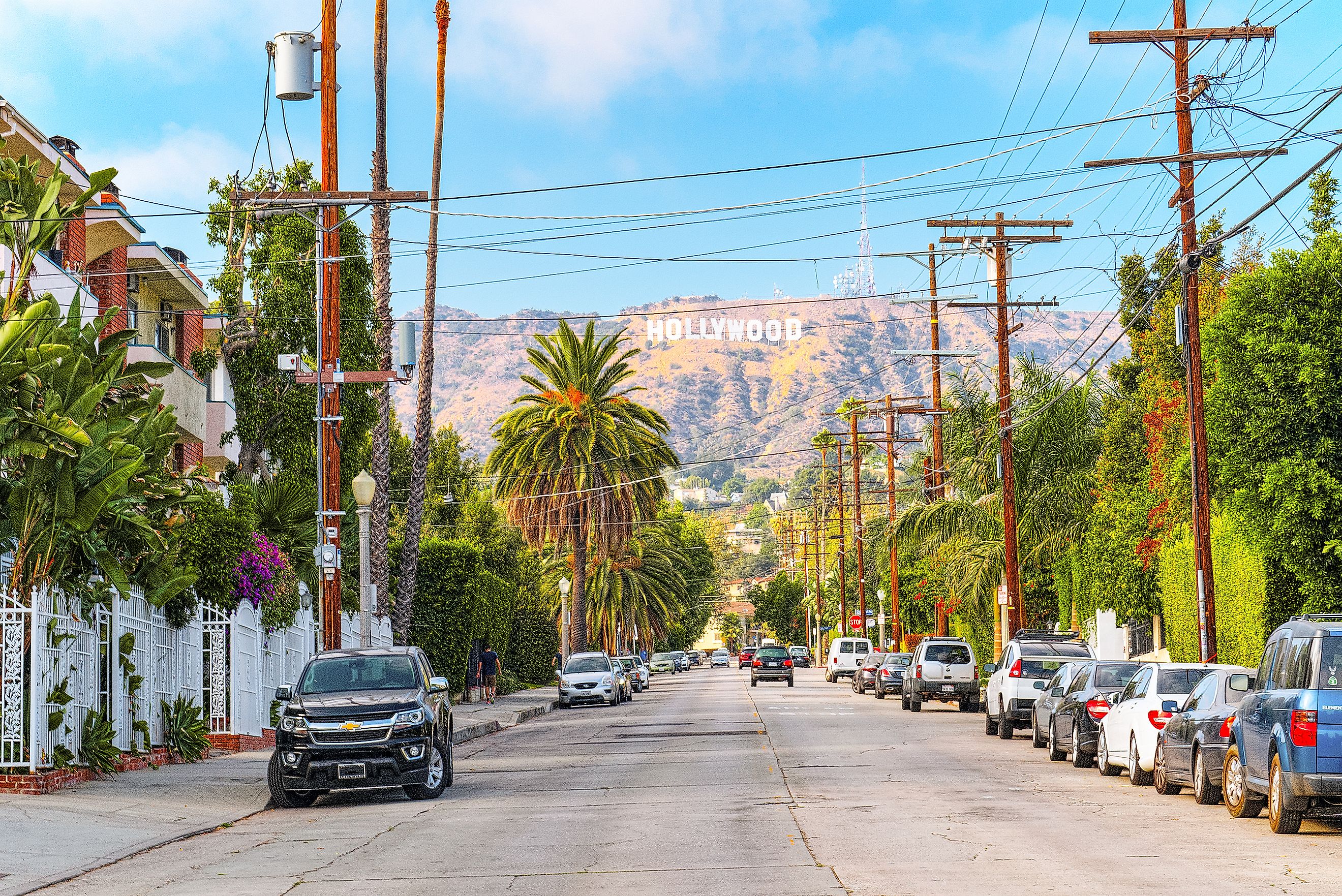
Hollywood is the symbolic heart of the global film and television industry. Studios, production offices, casting agencies, and historic theaters continue to shape how entertainment gets made and distributed.
Influence extends beyond soundstages. Hollywood’s image shapes perceptions of Los Angeles across the globe. Red carpet premieres, award shows, and landmark venues such as the Hollywood Bowl reinforce its cultural weight. Even as production spreads across the region, Hollywood’s brand power still drives careers, investment, and creative ambition.
The neighborhood also reflects the ongoing evolution of the entertainment business, balancing legacy institutions with streaming era disruption and redevelopment.
Downtown Los Angeles

Downtown Los Angeles has transformed into a center of civic, cultural, and economic influence. Government institutions anchor the area, including City Hall, courthouses, and major transit hubs. Decisions made here ripple across the entire county.
Arts and culture play an equally important role. The Broad, Walt Disney Concert Hall, and the Museum of Contemporary Art shape the city’s creative identity. Fashion District showrooms influence West Coast apparel trends, and historic theaters support live performance and film culture.
Downtown’s revival has reshaped how Angelenos think about density, public transit, and urban living, making it one of the city’s most consequential neighborhoods.
Beverly Hills

Beverly Hills holds influence far beyond its small geographic footprint. Luxury branding, entertainment law, and high-profile real estate define its global reputation.
Agencies, talent managers, and entertainment firms operate behind discreet facades along Wilshire Boulevard and Rodeo Drive. Major deals are negotiated here, shaping film slates, television contracts, and celebrity careers.
Beverly Hills also influences architecture and urban design through high-end residential development and preservation battles that often set precedents for surrounding areas.
West Hollywood

West Hollywood plays a major role in shaping cultural and social movements across Los Angeles. The city’s long standing LGBTQ+ leadership helped establish it as a center for activism, nightlife, and creative expression.
Entertainment venues, music clubs, and comedy stages have launched careers that later defined pop culture. Sunset Strip history continues to influence music, fashion, and branding.
Political advocacy originating in West Hollywood has helped shape policies related to housing, public health, and civil rights, extending its influence well beyond city limits.
Santa Monica

Santa Monica combines coastal appeal with economic power. Technology, media, and sustainability initiatives intersect here, earning the area its reputation as part of Silicon Beach.
Major tech companies, startups, and creative firms operate within walking distance of the ocean. This blend of lifestyle and innovation has reshaped how companies recruit talent and design workspaces.
Santa Monica also influences environmental policy through coastal protection, urban planning, and transportation initiatives that often serve as models for other cities.
Venice

Venice has long shaped artistic identity and countercultural movements in Los Angeles. The neighborhood’s creative legacy spans visual art, music, skate culture, and street fashion.
Modern Venice plays a key role in tech and media expansion along the coast. Startups and creative agencies occupy renovated industrial spaces, blending innovation with artistic heritage.
Public spaces such as the boardwalk remain cultural touchstones, reinforcing Venice’s role as a trend incubator that often influences global style and design.
Silver Lake

Silver Lake stands as one of Los Angeles’ most influential creative neighborhoods. Music, independent film, publishing, and visual arts all thrive here.
The neighborhood’s history includes early progressive movements and alternative cultural scenes that helped define Los Angeles beyond Hollywood stereotypes. That reputation continues through independent venues, small studios, and creative entrepreneurs.
Silver Lake’s influence extends into architecture and urban living trends, shaping conversations about density, walkability, and neighborhood identity across the city.
Koreatown

Koreatown ranks among the most densely populated and economically active neighborhoods in Los Angeles. Its influence spans cuisine, nightlife, architecture, and immigrant entrepreneurship.
Restaurants, karaoke lounges, and cultural institutions have shaped dining and entertainment trends citywide. Korean American media, business networks, and advocacy organizations headquartered here play major roles across Southern California.
Koreatown also influences urban development debates due to its density, transit access, and housing challenges, often serving as a case study in growth and equity.
Boyle Heights

Boyle Heights carries deep cultural and political influence rooted in Latino history and activism. Generations of artists, musicians, and organizers have shaped social movements that reached far beyond neighborhood boundaries.
Murals, community organizations, and grassroots advocacy define the area’s identity. Music genres such as Chicano rock and Eastside hip hop trace key moments to Boyle Heights.
Ongoing conversations about displacement, preservation, and cultural ownership place the neighborhood at the center of Los Angeles’ broader housing and equity debates.
Echo Park

Echo Park has influenced Los Angeles through art, music, and early film history. Silent era studios once operated here, and creative communities continue to define the neighborhood’s role today.
The area’s mix of historic housing, parks, and creative spaces attracts musicians, writers, and designers. Echo Park’s cultural output often reaches larger audiences through film, television, and digital media.
Urban change here has sparked citywide discussions about gentrification, public space, and neighborhood identity.
Culver City

Culver City operates as a modern production and media powerhouse. Major studios anchor the neighborhood, supporting film, television, and streaming content that reaches global audiences.
Tech companies and creative agencies have expanded the area’s influence beyond traditional entertainment. This combination positions Culver City as a key player in the future of media.
Local government policies related to development, transportation, and creative industry support often influence broader regional strategies.
South Central Los Angeles

South Central Los Angeles has shaped American culture through music, activism, and social movements. Hip hop, spoken word, and political organizing rooted here continue to influence global conversations.
Community institutions, faith organizations, and advocacy groups drive grassroots change. Cultural production emerging from South Central regularly informs national discussions around race, justice, and opportunity.
The neighborhood’s influence stems from lived experience and creative expression rather than formal power structures, making its impact especially enduring.
Malibu

Malibu influences Los Angeles through environmental policy, coastal development, and cultural symbolism. Its coastline shapes debates around public access, conservation, and luxury development.
The neighborhood’s role in film, photography, and lifestyle branding reinforces its global recognition. Creative industries frequently draw on Malibu’s imagery to define Southern California aesthetics.
Wildfire management, climate resilience, and land use decisions made here influence policy discussions across the region.
Pasadena

Pasadena blends scientific, cultural, and institutional influence. The presence of Caltech places the neighborhood at the forefront of scientific research and innovation.
Cultural landmarks such as the Rose Bowl contribute to national traditions and events. Architecture and historic preservation efforts in Pasadena often guide regional planning approaches.
The city’s combination of education, culture, and civic leadership gives it influence that extends far beyond its borders.
Why Neighborhood Influence Matters
Influence in Los Angeles does not flow through a single downtown core. It emerges through neighborhoods that specialize, adapt, and redefine their roles over time. Entertainment power, political activism, cultural movements, and economic innovation each find homes in different parts of the city.
These neighborhoods shape how Los Angeles responds to change, exports culture, and imagines its future. Understanding their influence offers a clearer picture of a city driven not by one identity, but by many working in constant conversation.
Los Angeles remains influential because its neighborhoods remain influential. Each one pushes ideas outward, shaping not just the city itself, but the broader world watching closely.