US States That Make Up America’s Wine Country
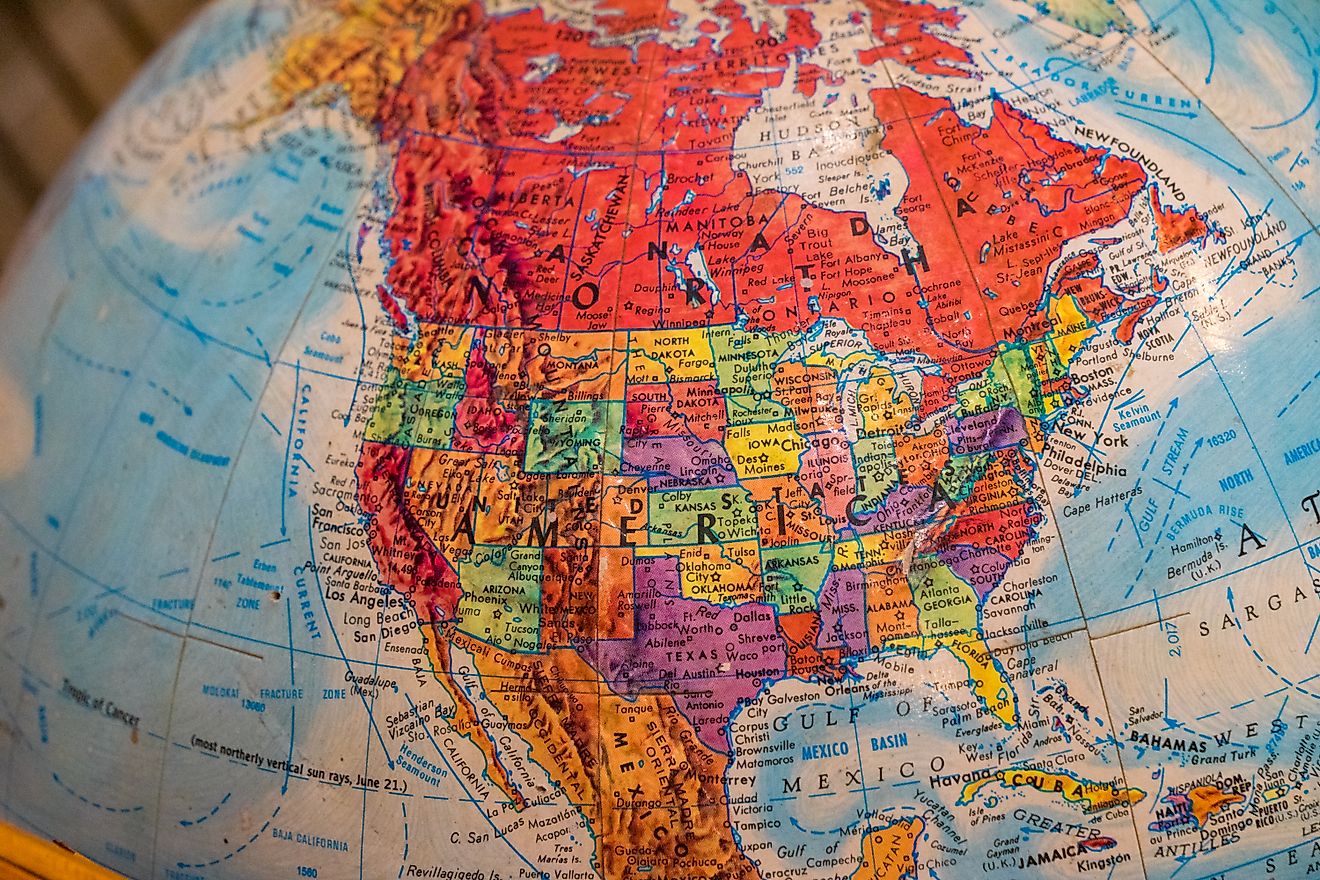
America’s wine story runs far deeper than one region on the West Coast. California often takes the spotlight, although vineyards across the country have transformed into major producers with distinct climates, creative winemaking approaches, and landscapes shaped for grapes. The term “Wine Country” has grown into a patchwork of regions that stretch across coastlines, mountains, plains, and river valleys. Each region plays a different part of the country’s winemaking evolution.
These are the states most responsible for shaping America’s broader wine identity. These places stand out for production volume, national influence, and the character of their grape-growing regions. Together, they represent the true footprint of American Wine Country.
California

California holds a firm grip on American wine thanks to its size, climate diversity, coastal influences, and decades of investment in viticulture research. Roughly 80 to 85% of US wine comes from this single state. Napa Valley dominates conversations about premium American wine, although Sonoma, Paso Robles, Mendocino, Monterey, Santa Barbara County, and Lodi all contribute heavily to the state’s range.
A long growing season and consistent sunshine create ideal conditions for Cabernet Sauvignon, Chardonnay, Pinot Noir, and Zinfandel. Terroir influences shift dramatically over short distances. Rolling coastal fog shapes cool-climate Pinot Noir near the Pacific. Warmer inland valleys fuel bold reds like Cabernet and Petite Sirah.
California’s leadership goes beyond volume. Innovations in sustainability, vineyard tech, and regenerative agriculture have started here. The state’s wine identity has also embraced experimentation, allowing smaller producers to push boundaries with aromatic whites, sparkling wine, and hybrid varieties designed for drought and heat resistance.
Oregon

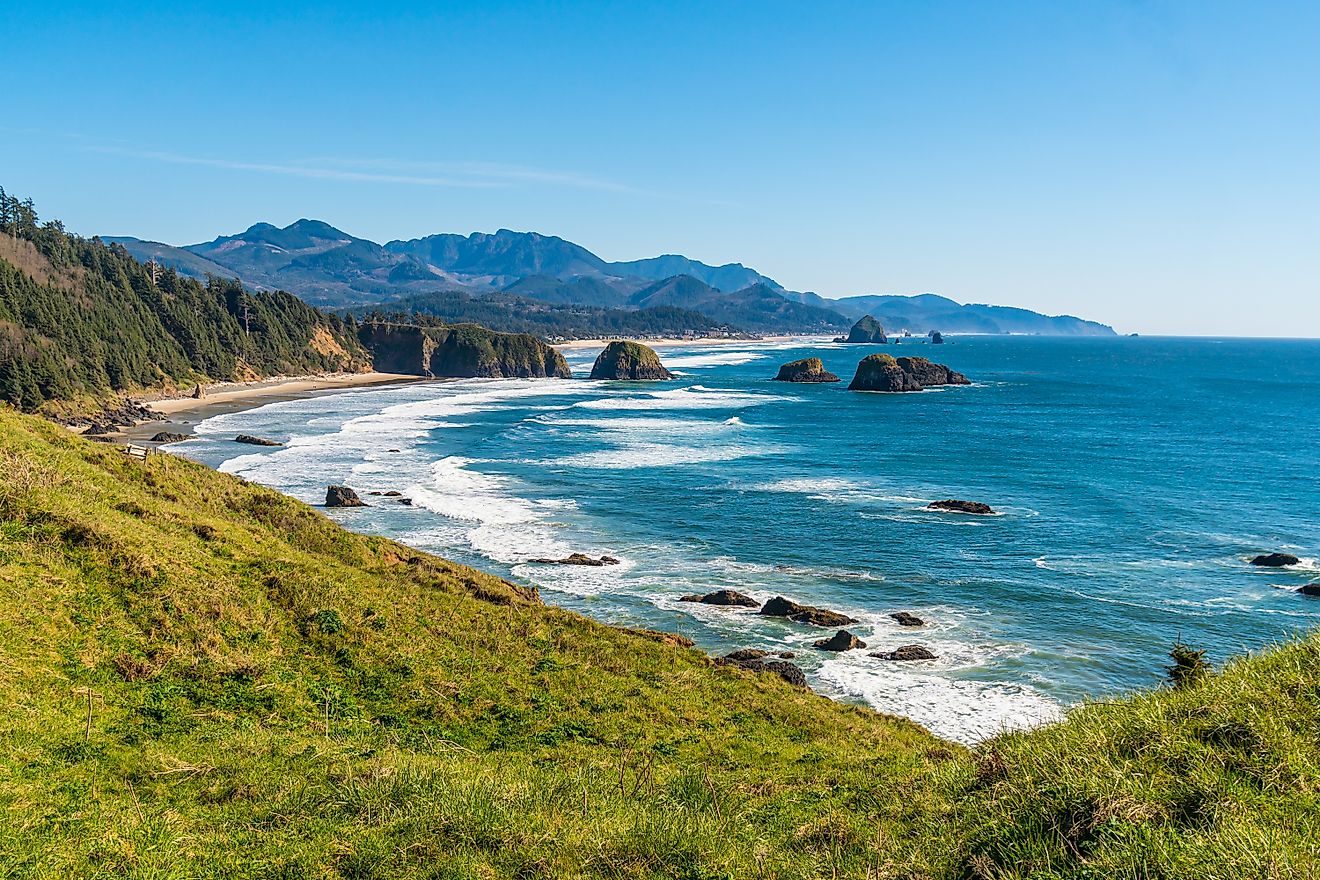
Oregon entered the American wine scene much later than California, but built a reputation quickly. The Willamette Valley now stands among the world’s most respected Pinot Noir regions. A cool, wet climate and volcanic soils give grapes the acidity and structure prized by winemakers.
The state’s wine culture leans toward small producers and independent vineyards. That sense of scale encourages experimentation with Chardonnay, Pinot Gris, and Gamay, each influenced by gentle marine breezes and rolling valley elevations.
Eastern Oregon introduces a different world. The climate shifts toward dry, warm summers that support Syrah, Tempranillo, and Cabernet Sauvignon. The contrast between these regions gives the state surprising versatility considering its size.
Washington

Washington consistently ranks as the second-largest producer of wine in the United States. Columbia Valley, Walla Walla, Red Mountain, and Yakima Valley fuel a growing reputation for world-class Cabernet Sauvignon, Merlot, Syrah, and Riesling.
Arid landscapes play a major role. Dry summers, cool nights, and fertile volcanic soils create conditions that amplify color and flavor concentration. Irrigation from the Columbia River system allows vineyards to carefully control water exposure, giving growers more consistency than many traditional regions worldwide.
Washington’s wine landscape often surprises first-time tasters. Bold reds and complex whites thrive in a setting that looks more like high desert than countryside. Winemakers lean heavily into value-driven bottles as well, contributing to the state’s popularity with consumers and collectors.
New York

New York carries one of America’s oldest wine histories. The state’s modern industry thrives across three main regions: the Finger Lakes, Long Island, and the Hudson River Valley.
The Finger Lakes region benefits from deep glacial lakes that moderate temperatures throughout the year. This landscape supports elegant Riesling, Chardonnay, Pinot Noir, and sparkling wine. The region’s cool climate mirrors parts of Germany and Austria, creating bright acidity and crisp aromatics.
Long Island offers an entirely different experience. Coastal conditions help Merlot, Cabernet Franc, and Sauvignon Blanc thrive. Breezes off the Atlantic and Long Island Sound prevent extreme heat and add a sense of coastal freshness to the wines.
The Hudson River Valley blends historic estates with modern wineries. Many vineyards take advantage of limestone soils that give depth to aromatic whites and light-to-medium-bodied reds.
Virginia

Virginia is one of America’s fastest-growing wine states and now produces more than a million cases per year. Rolling foothills of the Blue Ridge Mountains help create microclimates that feel tailor-made for Bordeaux-style blends, Viognier, Petit Manseng, Cabernet Franc, and Petit Verdot.
Humidity and summer heat present challenges, although winemakers have adapted with varieties that handle moisture well. The result is a distinctive style of wine, often aromatic, fruit-forward, and shaped by the region’s complex soils.
Central Virginia, Loudoun County, and the Shenandoah Valley anchor most production. Each region has gained national attention by combining Old World techniques with forward-thinking outcomes.
Texas

Texas has quietly become one of the most important wine states in the country. The Texas Hill Country ranks as one of the largest American Viticultural Areas by acreage. Hot summers and abundant sunshine support heat-tolerant varieties such as Tempranillo, Mourvèdre, Grenache, and Viognier.
The High Plains region is the true engine of production. Elevations above 3,000 feet bring cooler nights that help grapes maintain acid levels. Many Texas wineries rely on fruit grown here, giving the region a role similar to California’s Central Valley.
Texas wine often leans into bolder, earthy profiles influenced by Mediterranean and Spanish varieties. Producers focus heavily on matching grapes to climate rather than pushing traditional Bordeaux or Burgundy styles.
Colorado

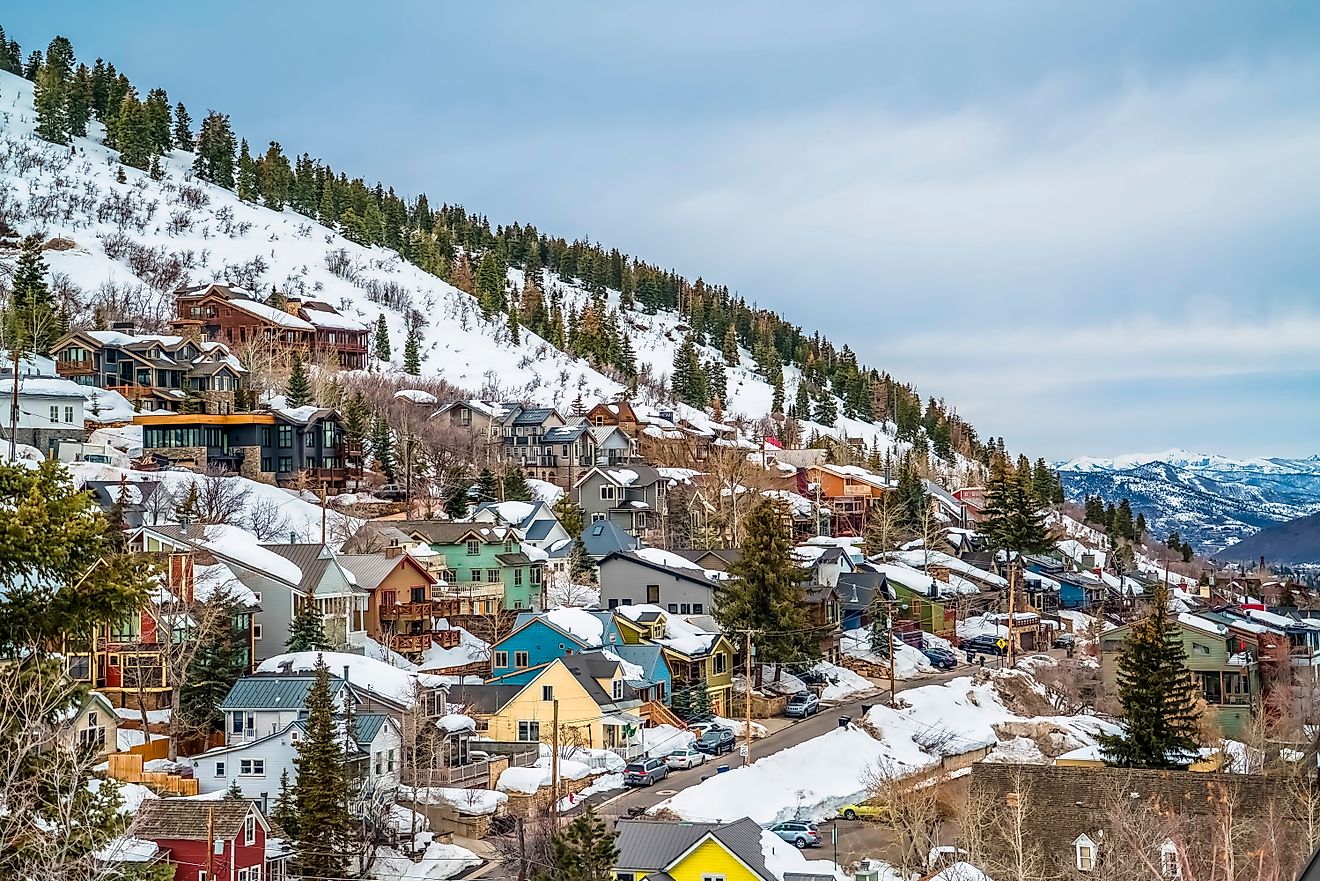
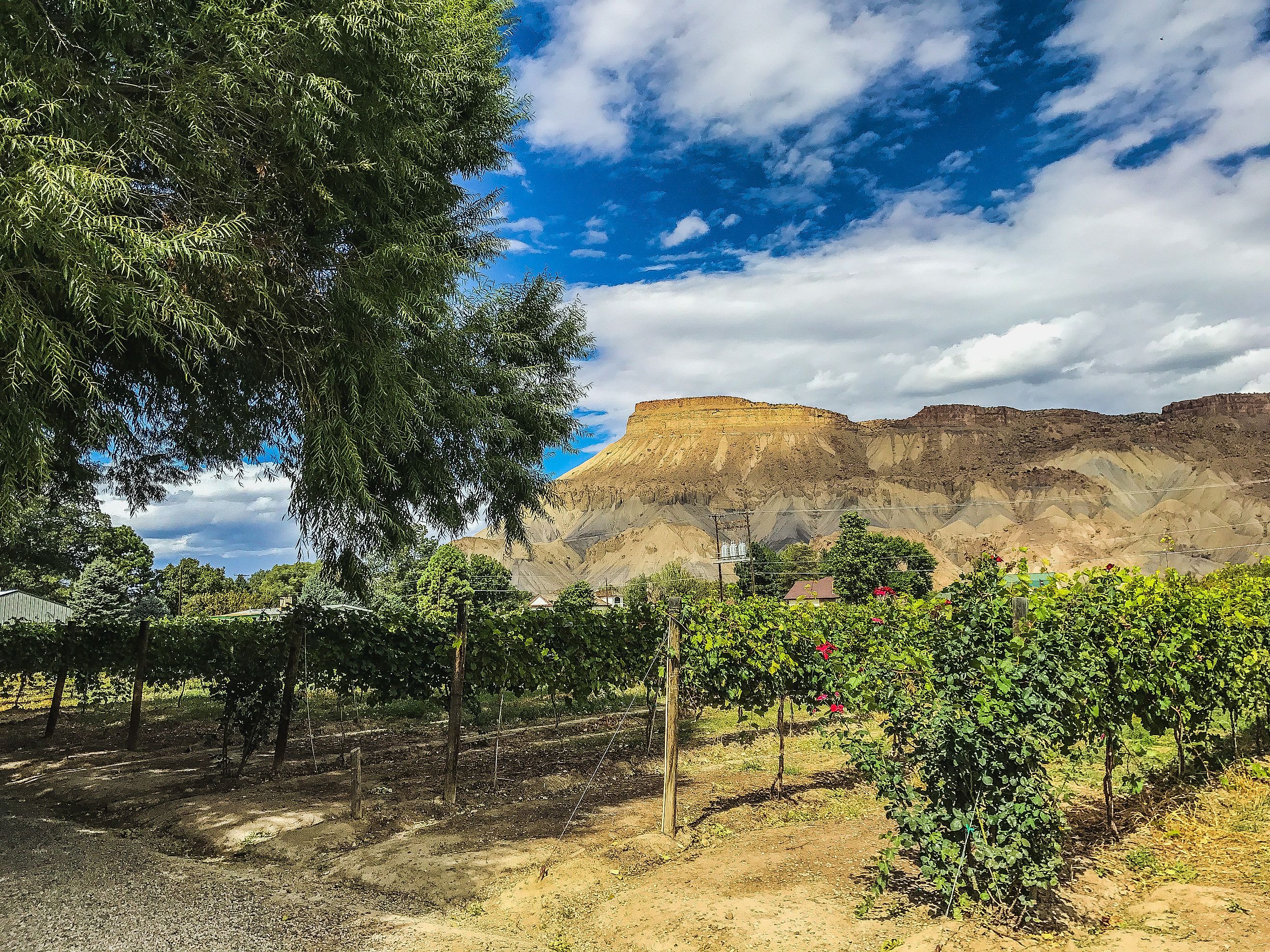
Colorado’s wine landscape stands out due to elevation. Vineyards often grow at 4,000 to 7,000 feet above sea level. Thin air, cool nights, and intense sunlight create conditions that encourage vibrant acidity and concentrated fruit flavors.
Grand Valley and the West Elks are the state’s main wine regions. These areas support Cabernet Franc, Syrah, Riesling, Pinot Gris, and hybrid grapes designed for cooler temperatures. The short growing season challenges winemakers, although the results prove remarkably distinct.
Colorado’s natural terrain adds drama to the industry. Vineyard clusters sit near sheer canyon walls, rivers, and desert buttes. This scenery has helped the state earn a spot in conversations about emerging American wine regions.
Michigan

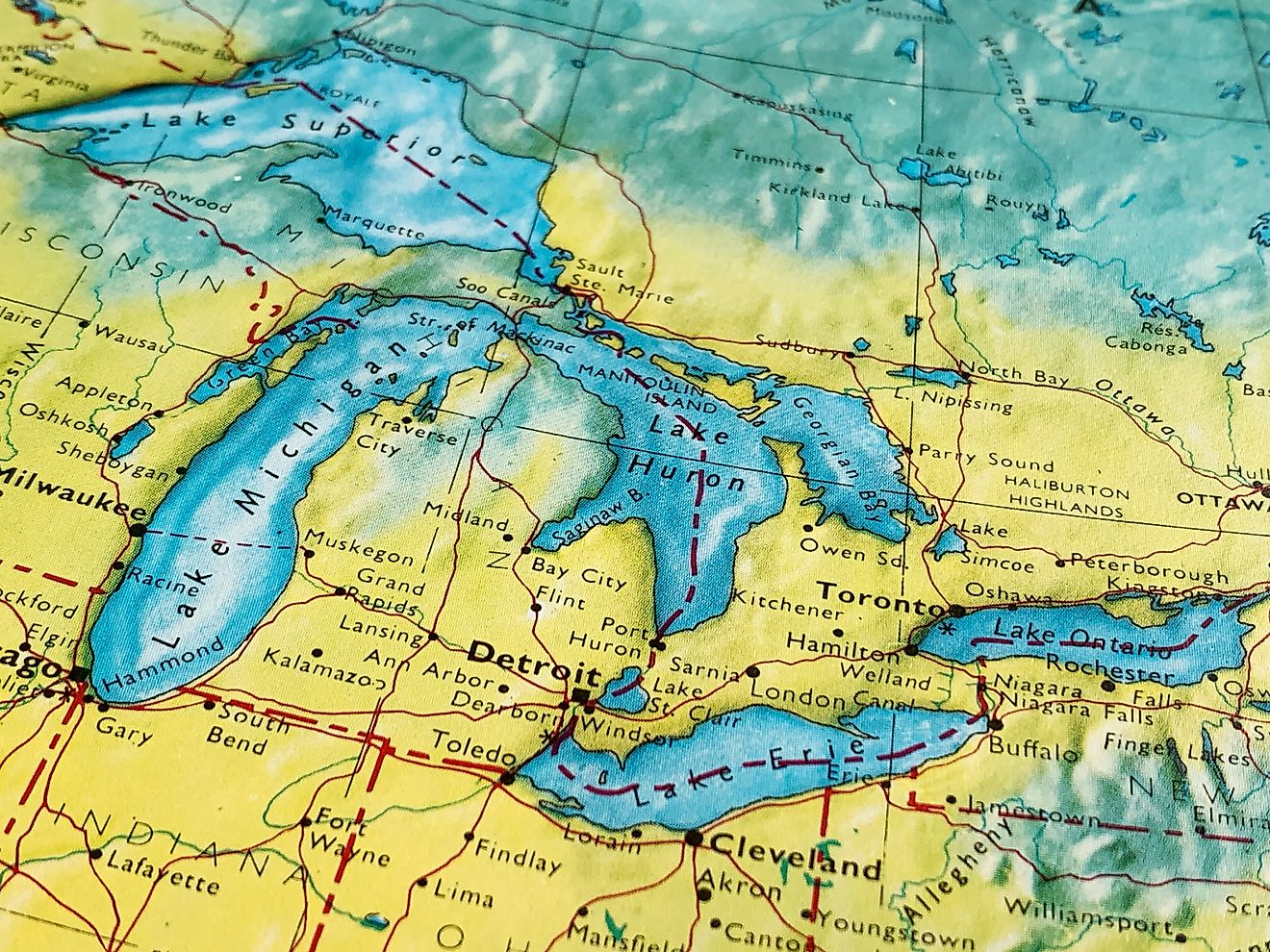
Michigan benefits from the moderating effect of the Great Lakes. Water bodies prevent early frosts and extend the growing season just enough for cool-climate varieties to thrive. Riesling, Pinot Blanc, Gewürztraminer, and sparkling wine lead the way in many regions.
Leelanau Peninsula, Old Mission Peninsula, and the Lake Michigan Shore AVA anchor the state’s wine output. Rolling hills and lake breezes create conditions that feel similar to parts of Northern Europe. Michigan winemakers have leaned into aromatic whites and crisp, mineral-forward wines that reflect the cool environment.
Growth has accelerated in the past decade due to improvements in cold-hardy grape varieties. These hybrids help vineyards withstand harsh winters and still produce complex wines.
New Mexico

New Mexico holds one of the earliest wine histories in the United States. Spanish missionaries planted grapes here in the 1600s. Modern winemakers take advantage of high elevations and dry desert air, which help prevent disease and mold.
The Rio Grande Valley region anchors much of the state’s production, although emerging vineyards also line the foothills near Albuquerque and the Mesilla Valley. Gewürztraminer, Riesling, Syrah, and sparkling wine have gained recent praise.
Extreme temperature swings between day and night create dynamic conditions that shape bold flavor profiles. This climate gives the state a unique role in America’s broader wine portfolio.
Ohio

Ohio once ranked among the country’s top wine producers in the 1800s. Modern vineyards have revived that heritage. Lake Erie moderates temperatures along the northern edge of the state. The effect extends the growing season enough to support both hybrid and European grape varieties.
Concord, Cabernet Franc, Riesling, Vidal Blanc, and Chambourcin make up a large share of Ohio’s wine portfolio. The Grand River Valley AVA continues to build a strong reputation for cool-climate whites and lighter reds.
Ohio’s resurgence stems from improvements in grape science and a commitment to climate-matched varieties. These adjustments have pushed the state into conversations about rising wine regions in the Midwest.
Why These States Define America’s Wine Country

Each state on this list contributes something different to the American wine landscape. Climate stands at the center of these distinctions. Coastal fog shapes one region, high desert air shapes another, and glacial lakes moderate a third.
Key factors that unify these states include:
- Strong production volume
- Recognized wine regions with established AVAs
- Distinct climates that influence grape styles
- Expanding winery networks and national distribution
- Growing national recognition for quality and innovation
The Future of American Wine
America’s wine country continues to expand as climate conditions shift and new regions experiment with grape varieties. States across the Midwest, Southwest, and South continue to invest in hybrid grapes and heat-tolerant varieties. Traditional titans like California, Washington, and Oregon push innovation, sustainability, and high-quality production forward.
The result is a wine landscape far broader than a single valley or coastline. America’s wine story stretches across mountains, lakeshores, deserts, plains, and river valleys. Each region adds to the country’s complex flavor map. The states highlighted here form the core of that identity, and each continues to evolve as the industry grows.